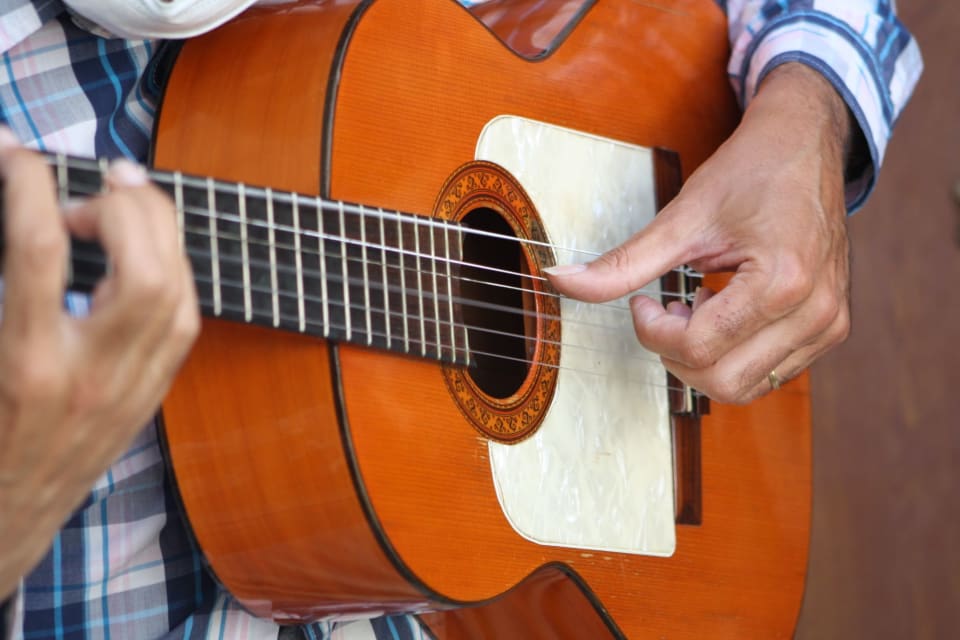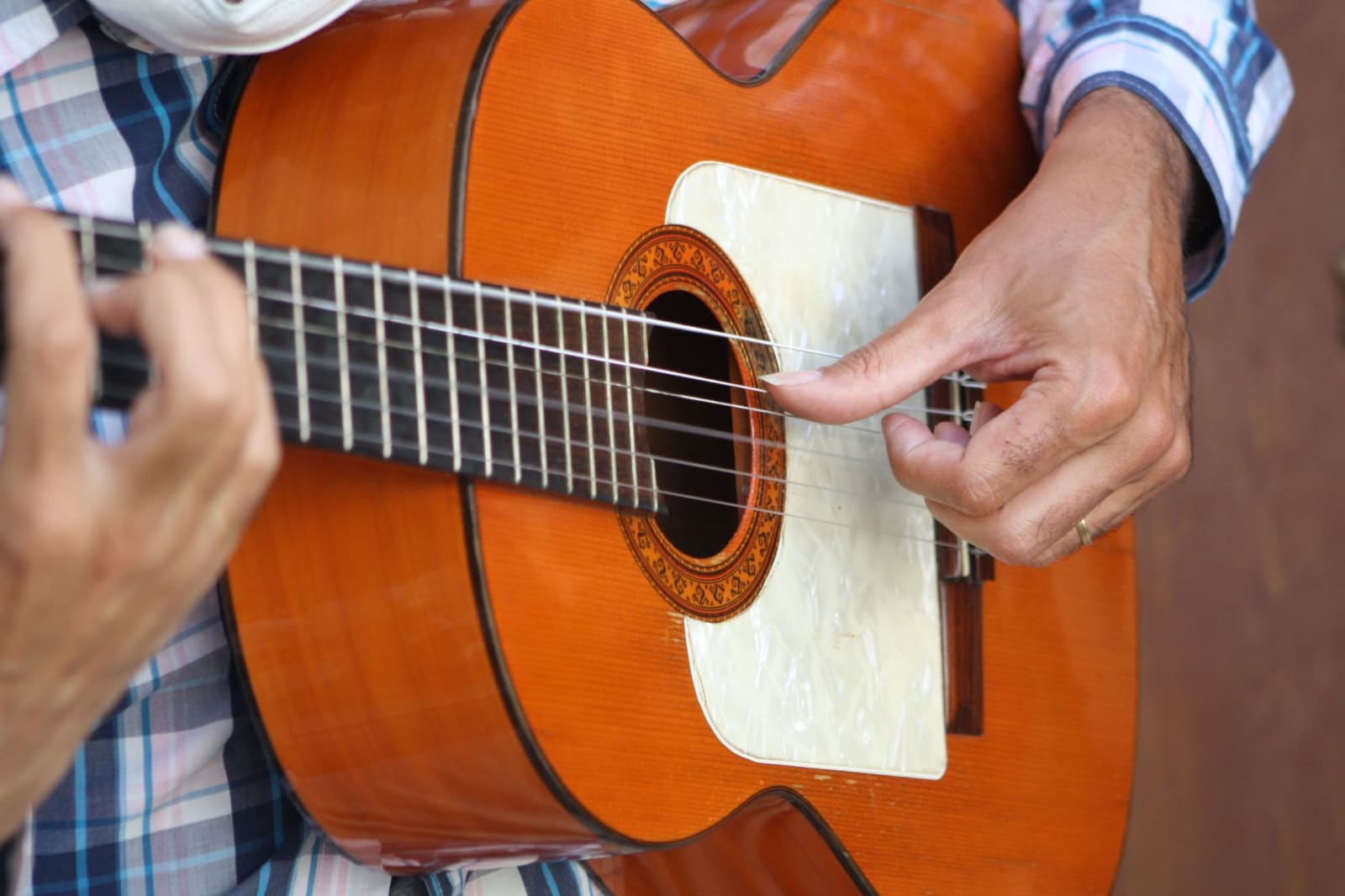
Flamenco took shape in Andalusia (southern Spain) in the culture of the local Roma (Kalo) at the crossroads of Moorish, Jewish, and Spanish traditions. It is a threefold art: cante (song), toque (guitar playing), and baile (dance), complemented by rhythmic hand-clapping (palmas) and the drumming of heels.
The heart of flamenco is ardent, wrenching song in the Phrygian mode, virtuosic guitar, and a passionate, proud dance. Performers strive for duende — a moment of the highest emotional elevation, when art touches the very soul. The guitarist Paco de Lucía brought flamenco onto the world concert stage. This art, recognized by UNESCO as a cultural heritage of humanity, is one of the most fiery and expressive manifestations of human emotion in music.