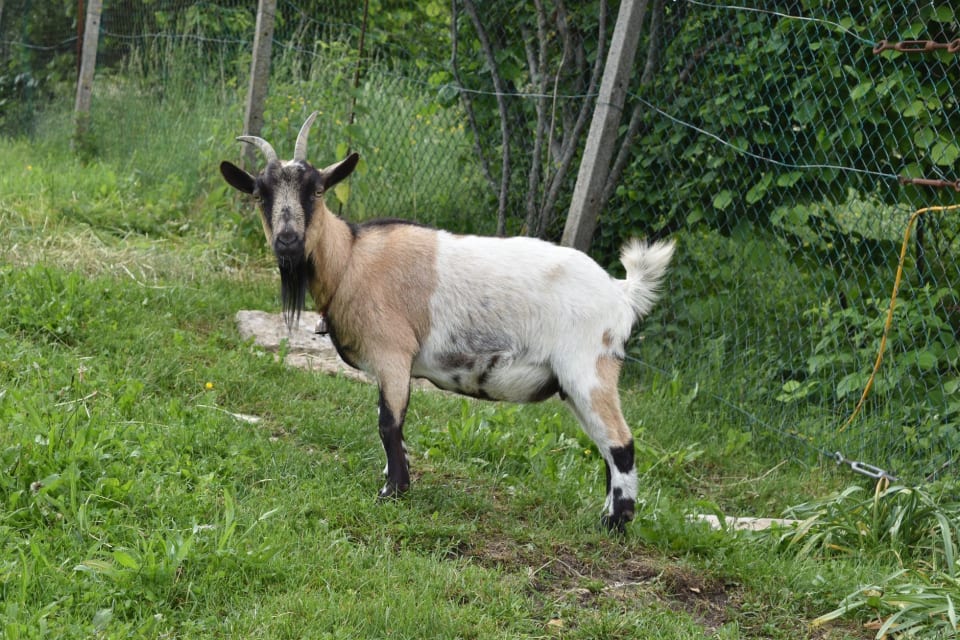




The koza (also duda) is the Ukrainian folk bagpipe, whose name comes from the material of its bag — tanned goatskin — and often from the instrument's decoration with a carved goat's head. It is an ancient wind instrument, most widespread in the Carpathians, notably among the Hutsuls, Boykos, and Lemkos.
The player pumps air into the leather bag and then, pressing the bag with the elbow, sustains the continuous sound of the melody pipe and the bass “drone.” It is precisely this unceasing droning background that gives the koza its recognisable, archaic sound. The koza was an indispensable participant in weddings, fairs, and folk festivities. Today, craftsmen and musicians are actively reviving the instrument, bringing it back to the stage in ethnographic ensembles and projects of contemporary folk music.