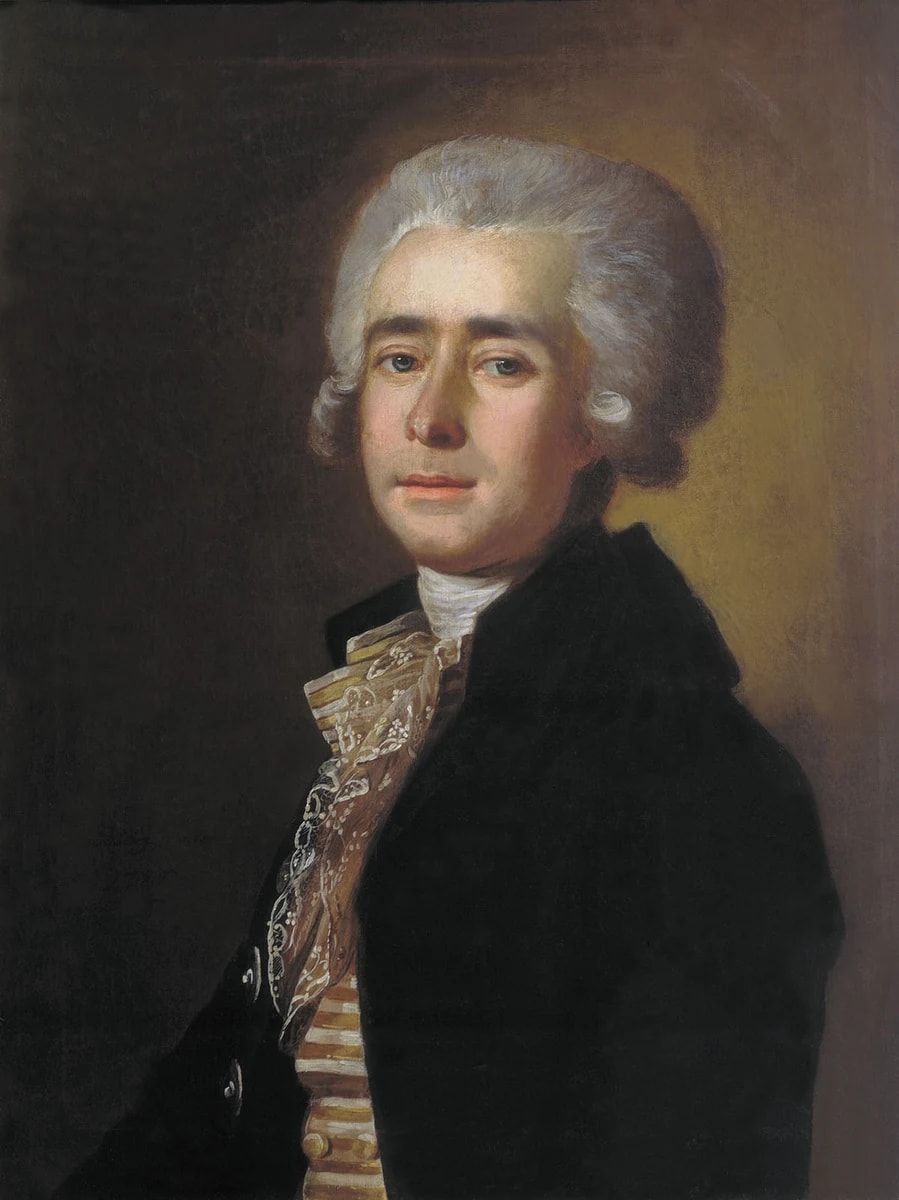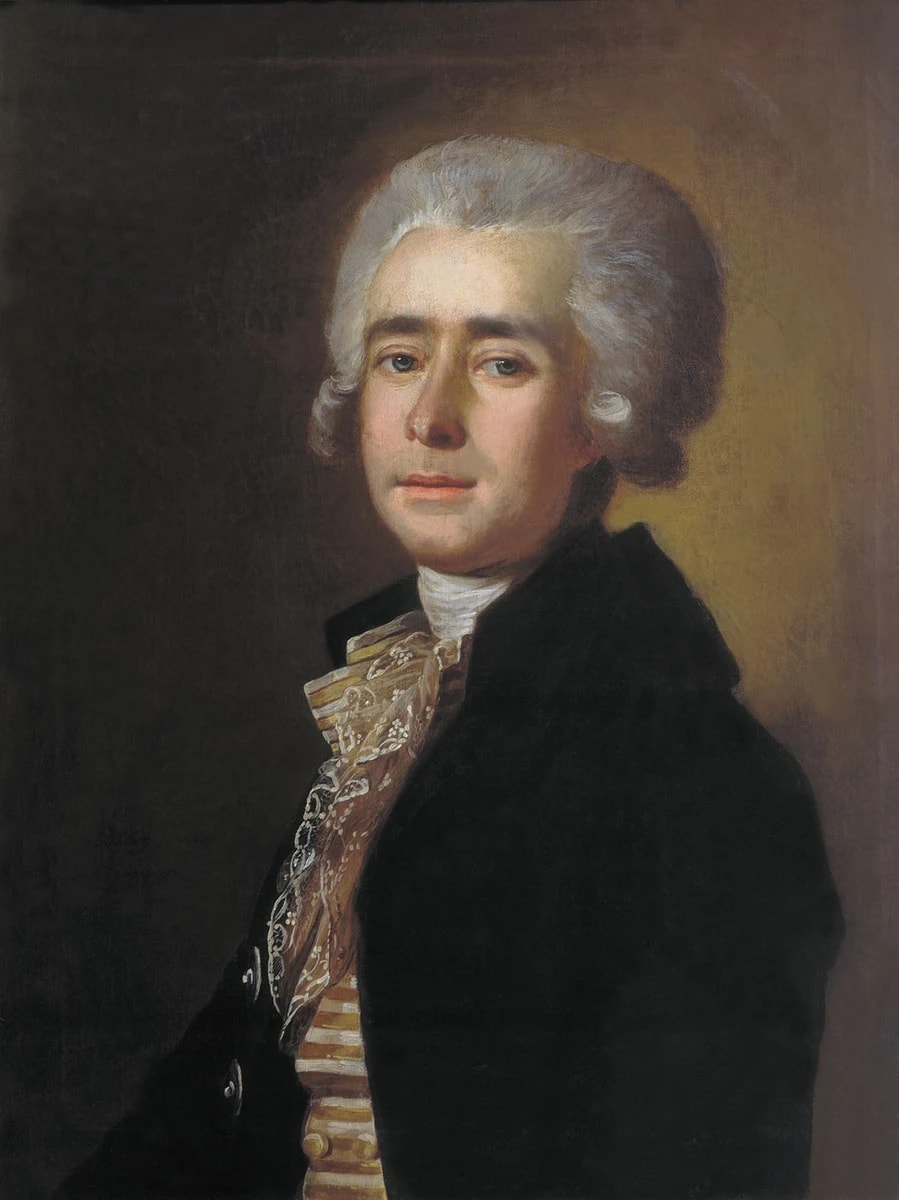
Dmytro Bortniansky was born in Hlukhiv in the Chernihiv region and studied at the Hlukhiv choral school — founded by decree of Empress Anna Ioannovna to supply singers for the imperial court choirs. The gifted child was noticed by Baldassare Galuppi, who took the boy to Italy, where Bortniansky studied in Venice and Rome.
His legacy includes three Italian-language operas (Creonte, Alcide, Quinto Fabio), a Concert Symphony, chamber music, and — most importantly — 35 sacred choral concertos a cappella, still performed in Orthodox churches worldwide. Concertos No. 32 “Tell me, O Lord,” No. 15 “Come, let us rejoice in the Lord,” and No. 9 “This is the day which the Lord hath made” are the gold standard of sacred music. Bortniansky directed the Imperial Court Chapel (1796–1825) and reformed Orthodox choral practice.