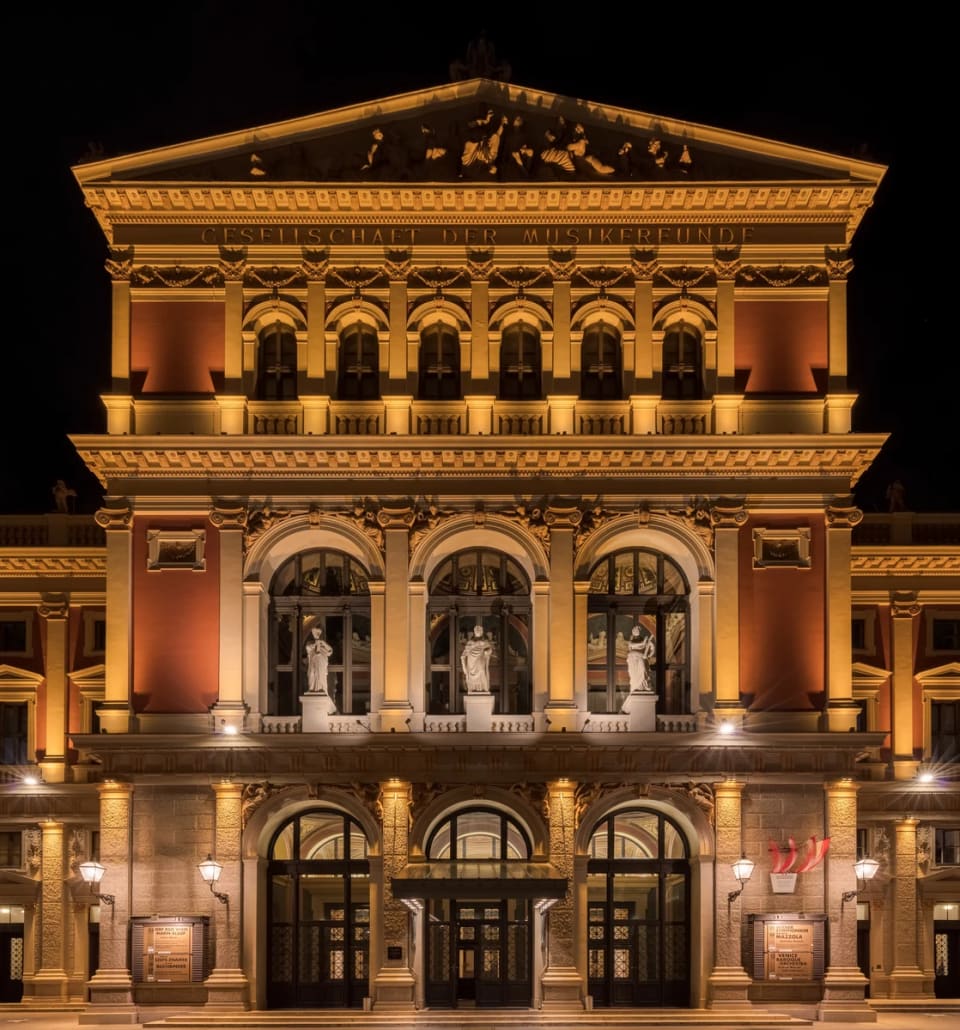


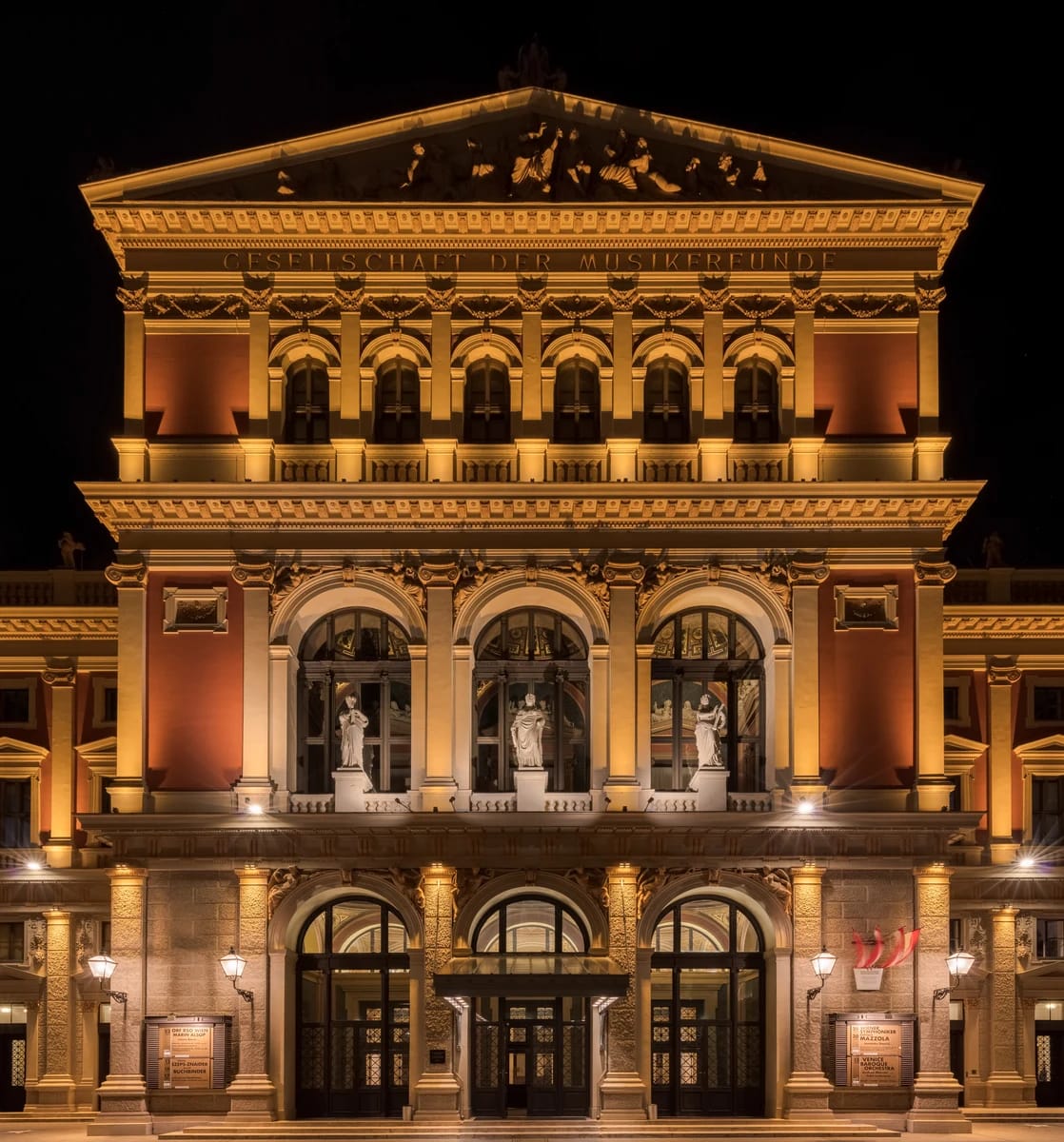
The Viennese Classics is a unique phenomenon in art history: the three greatest composers of the era are tied to one city: Haydn and Mozart were friends, and Beethoven studied with Haydn in Vienna. Haydn (1732–1809) — the elder, “father of the symphony and quartet,” remarkably prolific; Mozart (1756–1791) — the prodigy genius; Beethoven (1770–1827) — the later arrival who took up the baton from his teacher Haydn.
Why Vienna? The capital of the Habsburg Empire was the cultural center of Europe: the finest musicians lived, created, and performed there. Aristocrats commissioned music, publishers printed it, concert halls filled every evening with listeners. Viennese Classicism laid the foundation of the academic Western tradition for the next 200 years. That is why conservatories around the world still begin their curriculum with Haydn, Mozart, and Beethoven.