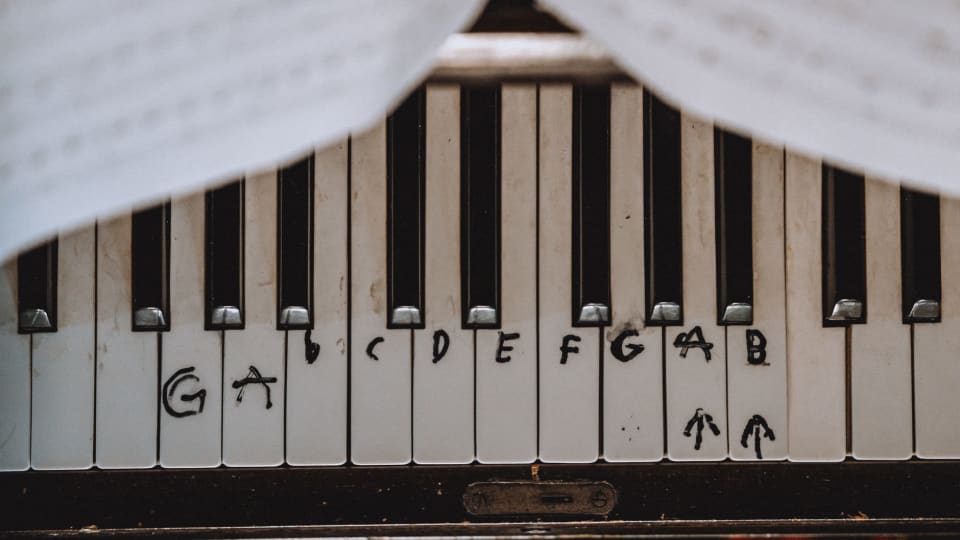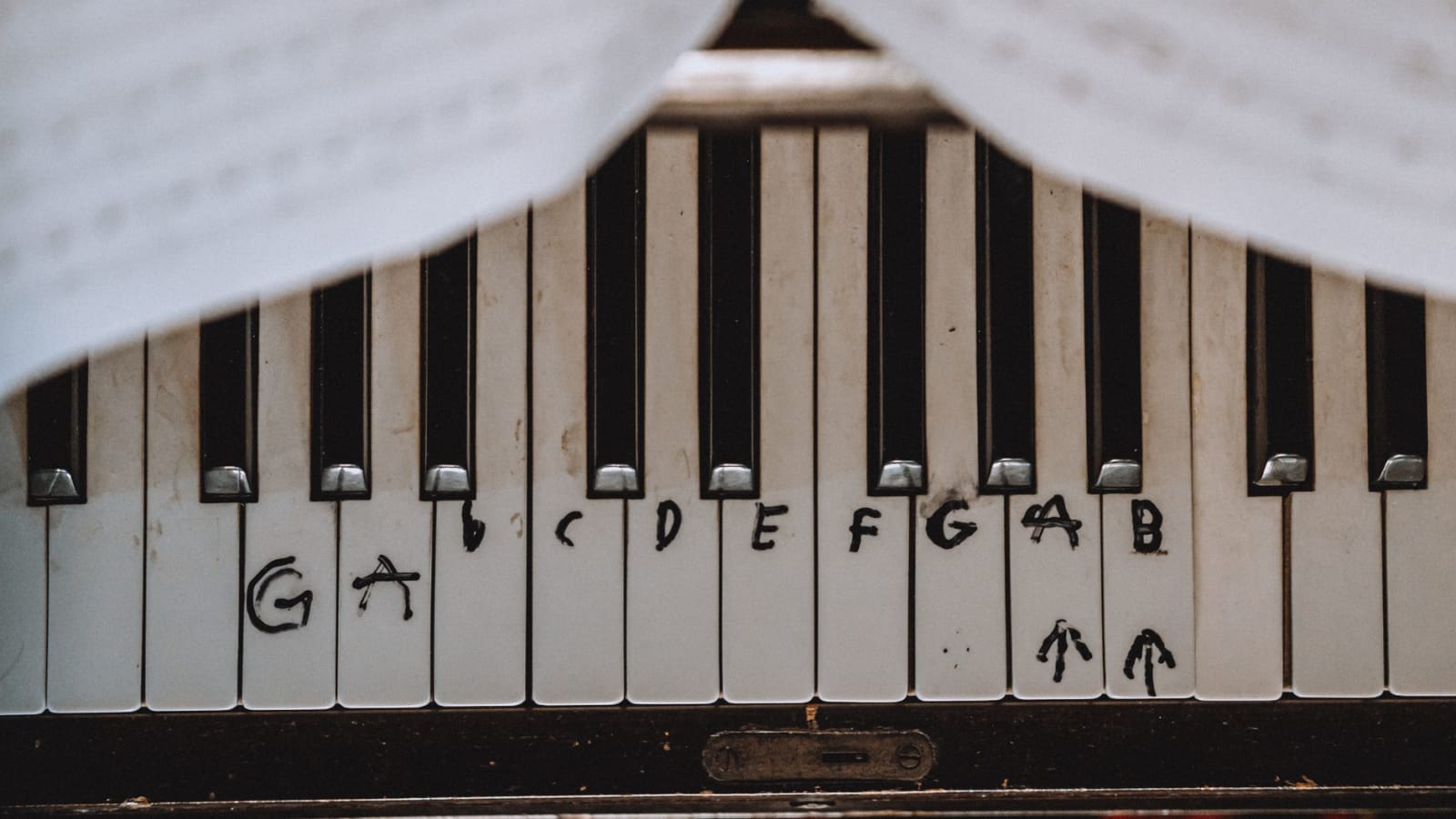
Glissando (an Italianized term from the French glisser, “to glide”) is a device that gives music an aerodynamic feel. On the trombone or theremin, glissando is natural; on the piano, it is a rapid sweep of the finger across the white or black keys; on the harp, a striking gesture of the whole hand.
A legendary example is the opening of George Gershwin's Rhapsody in Blue: a clarinet solo begins with a glissando that rises two and a half octaves and turns into the famous theme. It is one of the most recognizable sounds of 20th-century American music.
True glissando (a continuous slide of pitch, as on the trombone or violin) should be distinguished from portamento and from the piano “glissando,” which is really a very fast succession of discrete steps. On the harp, glissando is possible thanks to the pedals that retune all the strings to the chosen mode, so a single sweep of the hand yields a lavish cascade. The device is a favourite of the Impressionists for creating shimmering, “watery” colours.