Staccato (Italian for “detached”) is a rhythmic pulse in its purest form. Each note sounds for barely half its nominal duration, the rest is silence.
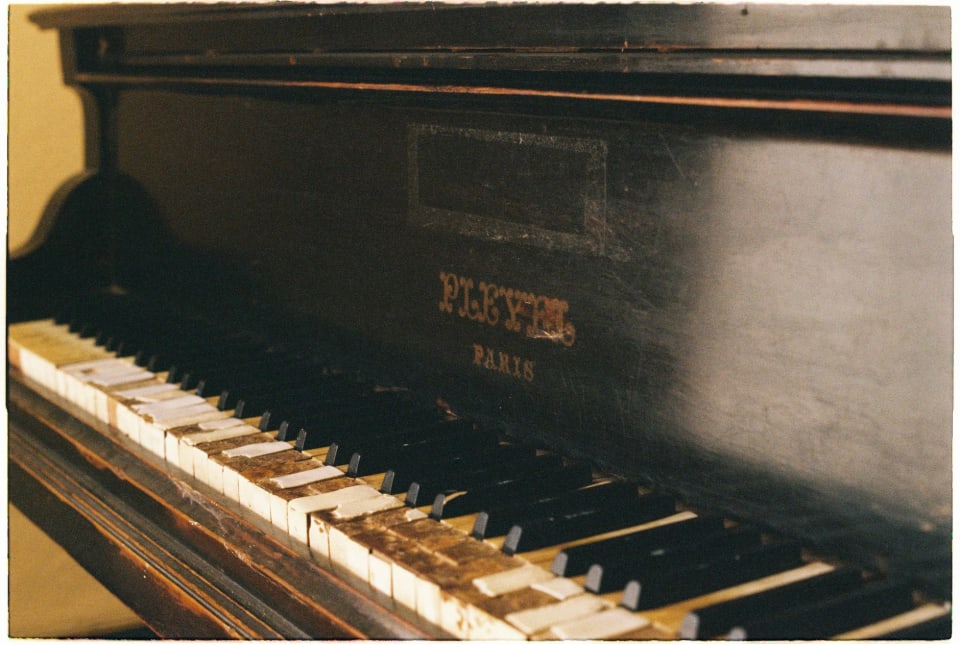
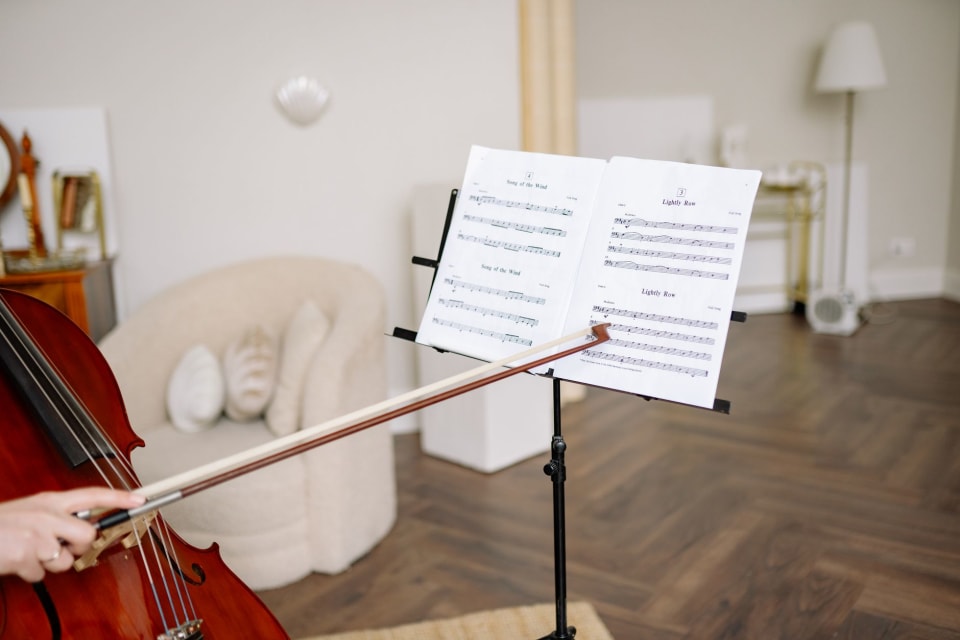
On piano, staccato demands precise finger work; on strings, a quick lift of the bow; on winds, a crisp tongued attack. A characteristic example is the Scherzo from Mendelssohn's A Midsummer Night's Dream, where rapid staccato creates the illusion of fluttering elves.
Staccato is marked with a dot above or below the note; an even shorter variety is staccatissimo (a wedge), and an intermediate, softer one is portato, where notes are both separated and, at the same time, as if joined. Staccato is not merely “short” but a special articulation that lends music lightness, play, and sparkle. The skilful blending of staccato and legato within one phrase is a mark of a developed performing culture.