


Skip to content
PLAY UKRAINE MUSIC — Digital Philharmonic
Whole-Tone Scale
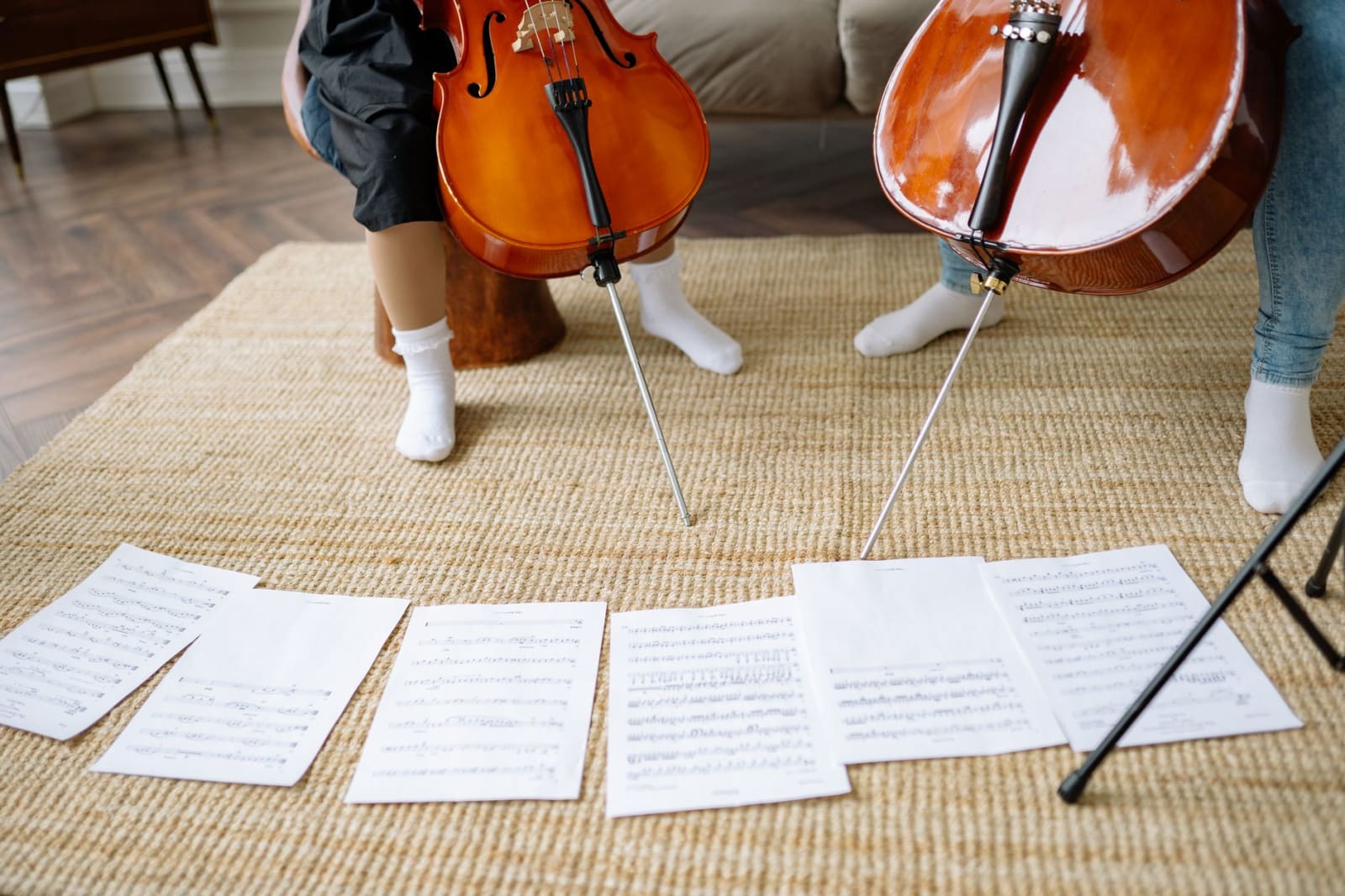
Author: Yan Krukau. License: Pexels License — https://www.pexels.com/license/. Source

Whole-Tone Scale

Цілотоновий звукоряд

Audio: Whole-Tone Scale

The whole-tone scale is six notes each a whole tone apart, with no semitones and no pull. The symbol of the dreamy, “weightless” sound of Impressionism.

The whole-tone scale divides the octave into six equal whole tones. It has no semitones, no perfect fifths, and no leading tones — and therefore none of the usual pulls toward a tonic. Because of this, music on this scale sounds unsteady and weightless, as if suspended in the air.

The scale's symmetry means that any of its notes can be the “centre” — there is no tonic to serve as an anchor. The whole-tone sound was revealed most vividly by Claude Debussy (Voiles, The Sunken Cathedral), who made it the sonic symbol of Impressionism — haze, mist, dream. Since there are only two distinct whole-tone scales, 20th-century composers prized them for their coloristic, almost “magical” tint that instantly lifts the listener beyond everyday tonality.
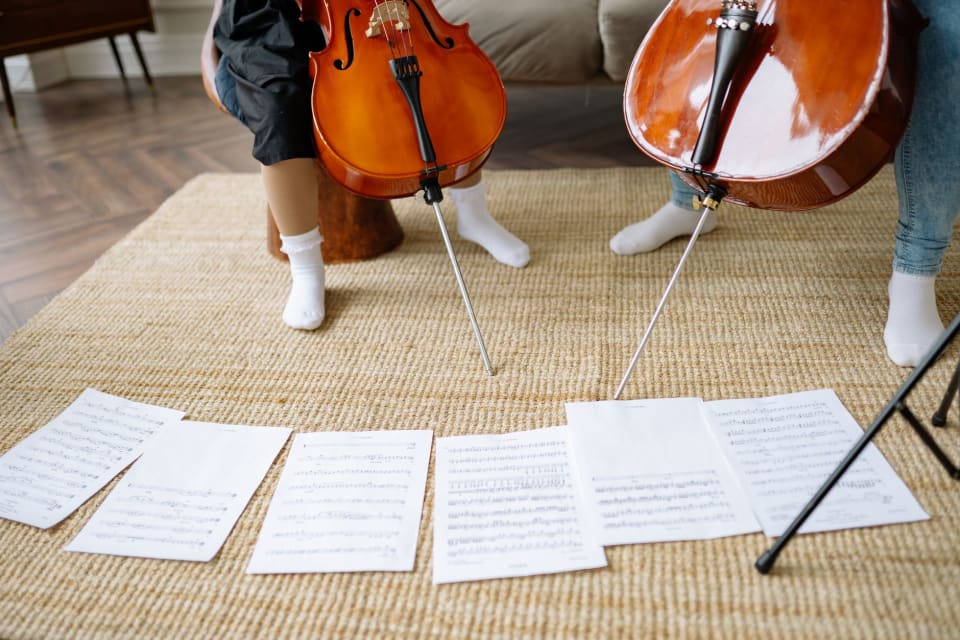
Historical artifact

Whole-Tone Scale
Yan Krukau · Pexels License — https://www.pexels.com/license/ · Source

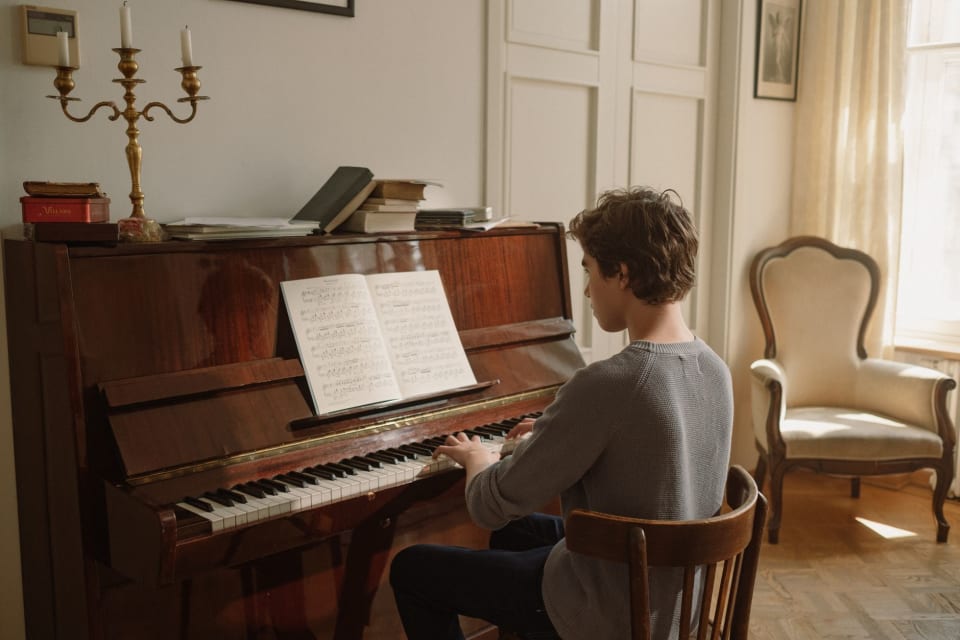
Modern incarnation

Whole-Tone Scale
Plato Terentev · Pexels License — https://www.pexels.com/license/ · Source
Video: Whole-Tone Scale

Related across the platform

Other dimensions of culture

The whole Play Ukraine ecosystem

  • Art
  • Fashion
  • Cuisine
  • Literature
  • Play Ukraine — The whole ecosystem

Test mode: all content on this site is for testing and will be removed at launch.




