


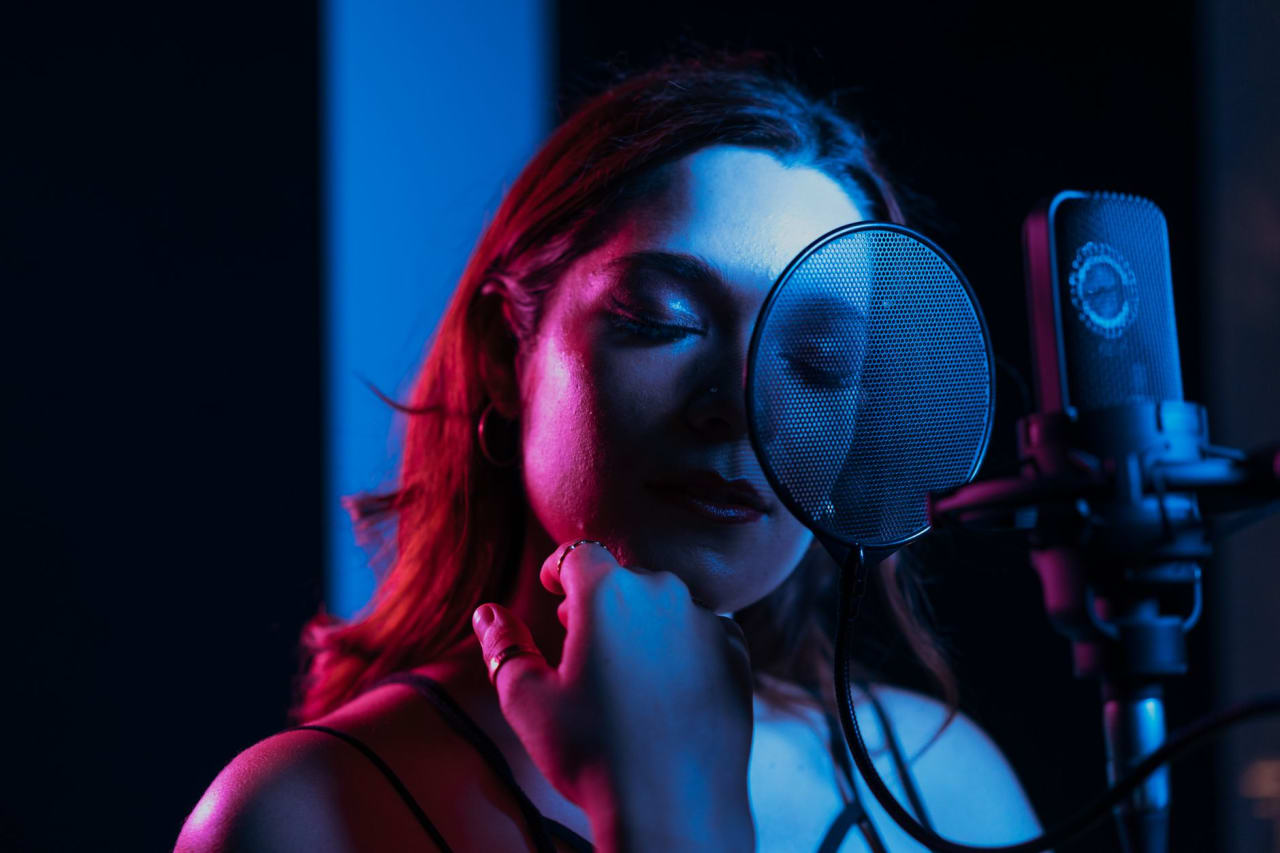
What does it mean to treat the voice as a full-fledged instrument? Through Cepasa's vocal session, we discuss the expressiveness of timbre, technique and the meeting of live singing with electronic sound.
The voice is the oldest musical instrument and, at the same time, the most complex. Unlike a string or a key, it is inseparable from the performer's body and emotion, and so it can convey nuances beyond the reach of any synthesiser. The vocal-session format places this expressiveness at the centre of attention.
To treat the voice as an instrument means to command its registers, dynamics and texture as consciously as a musician commands their apparatus. A breath, a light vibrato, a sharp accent or an almost soundless whisper — these are all colours from which a vocal part is built.
In the Cepasa project, this instrument enters into dialogue with electronics. Synthetic textures can support, shade or challenge the voice, and it is precisely the tension between the living and the artificial that makes such a sound contemporary. The vocal session becomes a space where human timbre and electronic sound seek a common language — and find it in real time.




