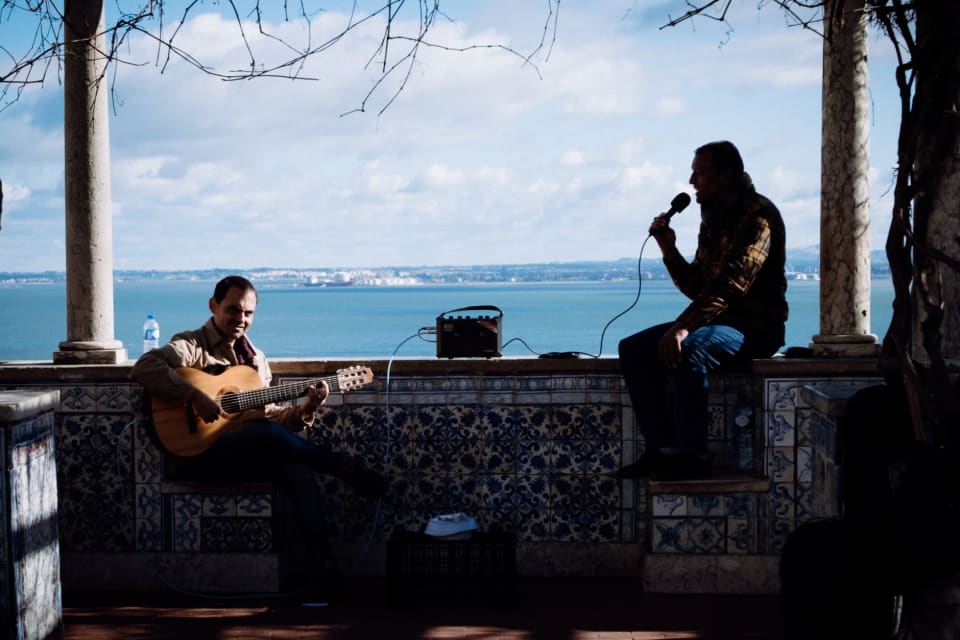
Fado (from the Latin fatum — “fate”) is a traditional Portuguese song genre that arose in the poor districts of Lisbon in the 19th century. Its chief content is saudade: an abiding longing, nostalgia, a sweet sadness for what is lost — for the sea, for love, for destiny.
Classical fado is performed by a singer to the accompaniment of two guitars, including the inimitable Portuguese guitar with its ringing, “weeping” timbre. The fadista's voice is full of sincere, deep emotion. The most famous in history was the legendary Amália Rodrigues — the “Queen of Fado,” who made the genre famous throughout the world. Fado is inscribed on UNESCO's List of Intangible Cultural Heritage. It is the quintessence of the Portuguese soul — music in which sadness becomes beauty.