Skip to content
PLAY UKRAINE MUSIC — Digital Philharmonic
Impressionism
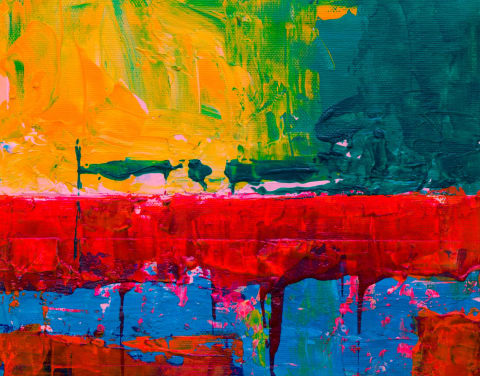
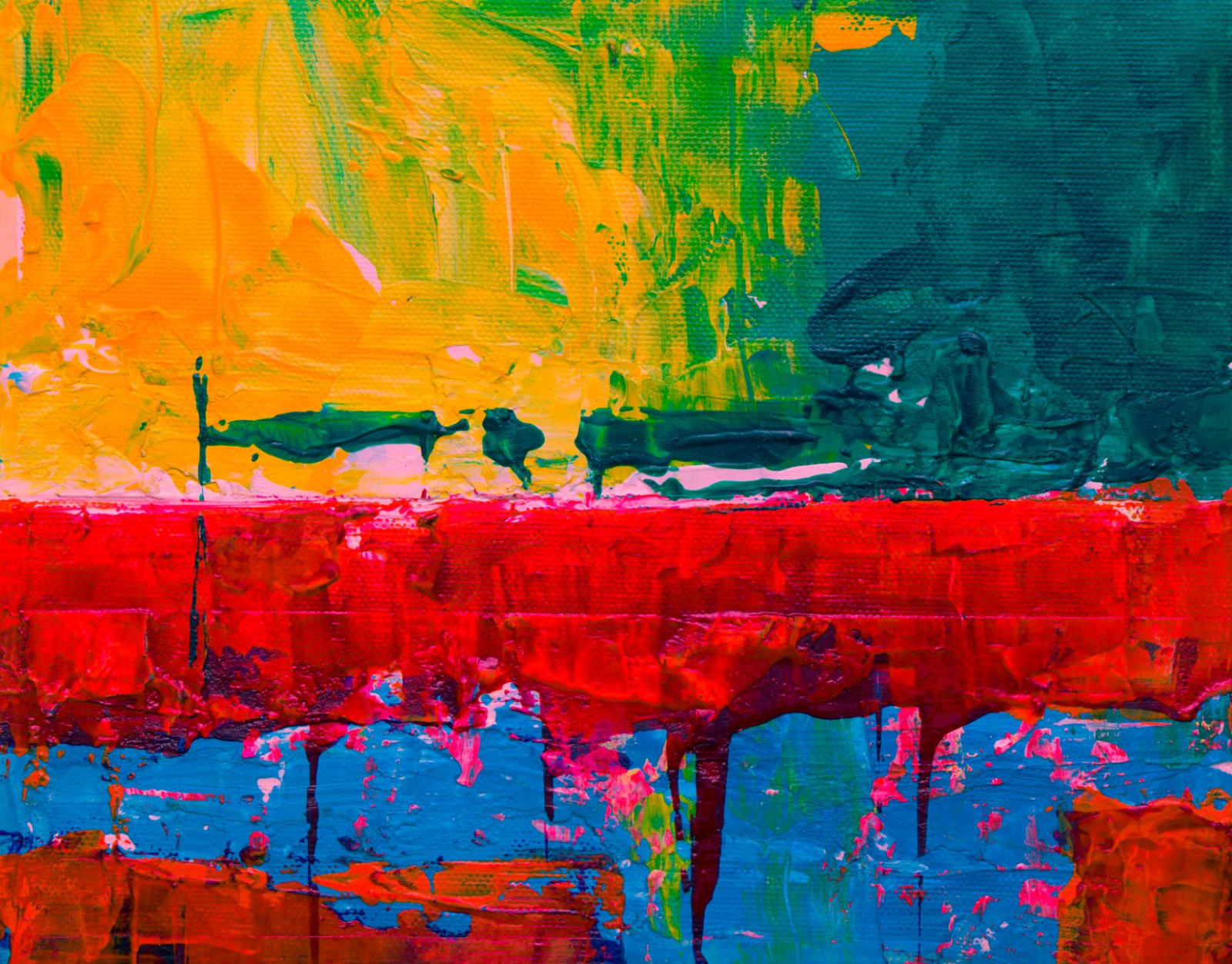
Author: Steve A Johnson. License: Pexels License — https://www.pexels.com/license/. Source

Impressionism

Імпресіонізм

Audio: Impressionism

Musical Impressionism (late 19th – early 20th century) is the art of impressions, atmosphere, and color. Claude Debussy and Maurice Ravel replaced sharp melodies with undulating sonic canvases.

Impressionism in music is the parallel to the paintings of Monet, Renoir, and Degas. Instead of dramatic melodic lines — sonic “patches”; instead of clear harmonic logic — coloristic chords (including parallel fifths and thirds, non-tertian stacks, whole-tone scales).

Claude Debussy is the founder of the genre (Prelude to the Afternoon of a Faun, La Mer, the Preludes). Maurice Ravel brought Impressionism to the highest formal precision (Boléro, Rapsodie espagnole). Impressionism influenced Respighi, Manuel de Falla, and American jazzmen (Bill Evans). Its Ukrainian echo is heard in the music of Stanyslav Liudkevych and the early Borys Lyatoshynsky.
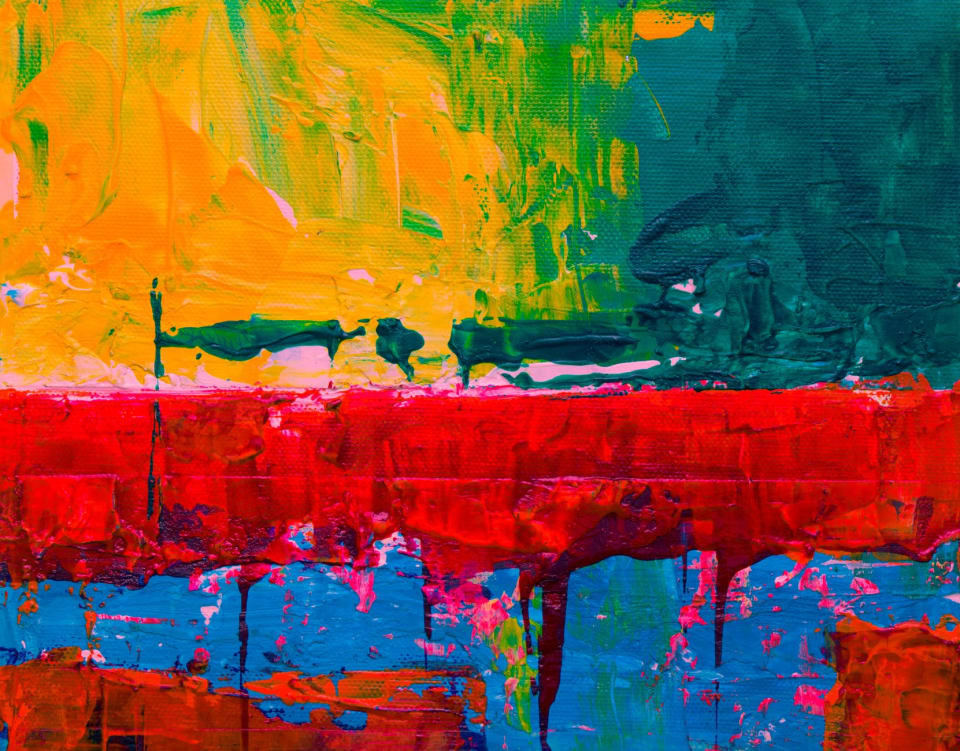
Historical artifact

Impressionism
Steve A Johnson · Pexels License — https://www.pexels.com/license/ · Source

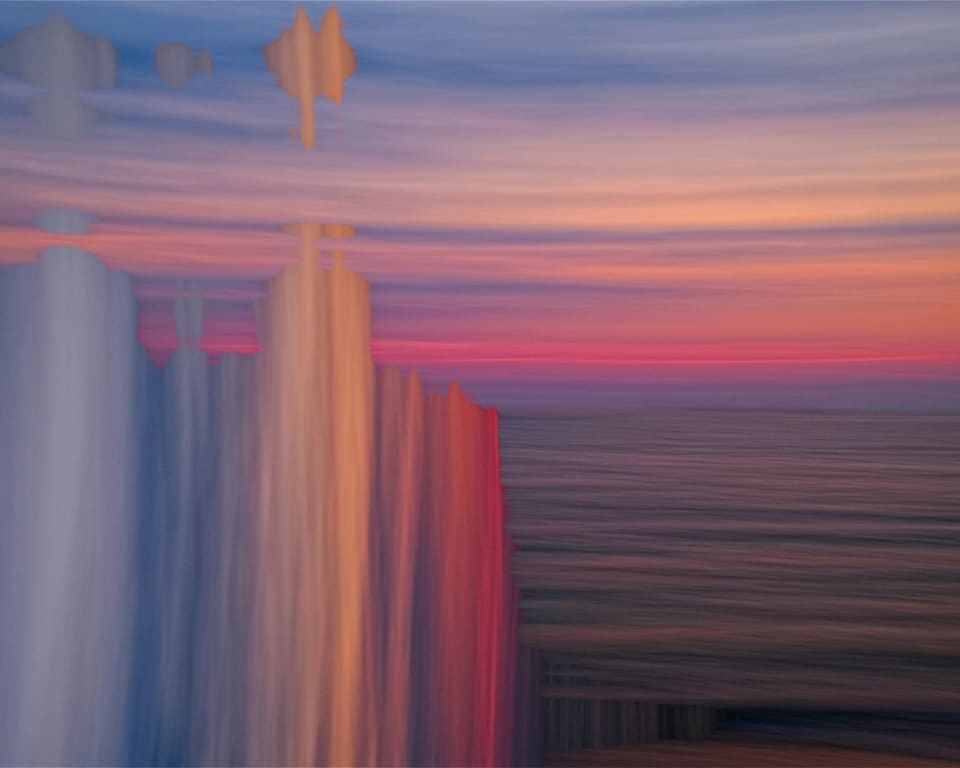
Modern incarnation

Impressionism
Robert Clark · Pexels License — https://www.pexels.com/license/ · Source
Video: Impressionism

Cultural Versus

Historical: Impressionism
Steve A Johnson · Pexels License — https://www.pexels.com/license/
Modern: Impressionism
Steve A Johnson · Pexels License — https://www.pexels.com/license/

Impressionism

Sub-category:
classical

Musical Impressionism (late 19th – early 20th century) is the art of impressions, atmosphere, and color. Claude Debussy and Maurice Ravel replaced sharp melodies with undulating sonic canvases.

Historical: Expressionism
Marcelo Chagas · Pexels License — https://www.pexels.com/license/
Modern: Expressionism
Marcelo Chagas · Pexels License — https://www.pexels.com/license/

Expressionism

Sub-category:
classical

Expressionism (1900–1930s) is the music of extreme inner states — anxiety, terror, ecstasy. Schoenberg, Berg, and Webern — the “Second Viennese School” — abandoned tonality as the basis of musical language.

Related across the platform

Other dimensions of culture

The whole Play Ukraine ecosystem

  • Art
  • Fashion
  • Cuisine
  • Literature
  • Play Ukraine — The whole ecosystem

Test mode: all content on this site is for testing and will be removed at launch.