Skip to content
PLAY UKRAINE MUSIC — Digital Philharmonic
Recruit Songs
Author: Anna Pou. License: Pexels License — https://www.pexels.com/license/. Source

Recruit Songs

Рекрутські пісні

Audio: Recruit Songs

Recruit songs are folk songs about forced conscription into the army, separation from loved ones, and the hard soldier's lot.

Recruit (soldier) songs are a social-domestic genre of Ukrainian folk creativity that arose as a response to the introduction of forced military conscription under imperial rule. The long, and sometimes lifelong, term of service tore young men from their families and native land, and this pain poured out into song.

Their mood is mostly mournful and elegiac: they lament the parting of a mother from her son, of a bride from her beloved, the harsh drill, the foreign land, and the longing for home. These songs are a valuable historical testimony to the condition of ordinary people under the imperial yoke and to the folk rejection of bondage. In musical structure recruit songs are close to the lyric songs, with a drawn-out, sorrowful melody that deeply conveys the drama of human fate.

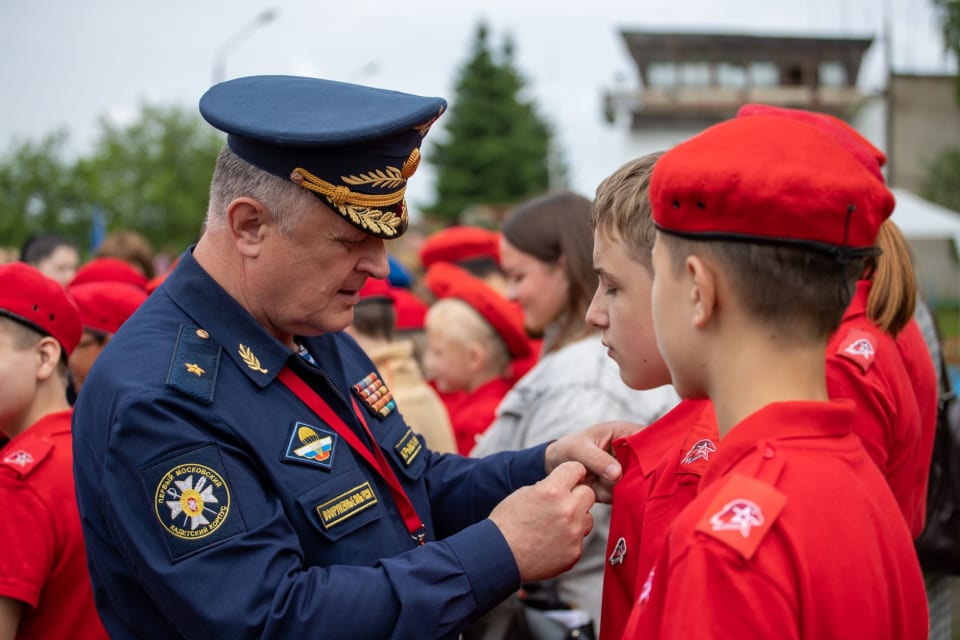
Historical artifact

Recruit Songs
Anna Pou · Pexels License — https://www.pexels.com/license/ · Source

Modern incarnation

Recruit Songs
Михаил Крамор · Pexels License — https://www.pexels.com/license/ · Source
Video: Recruit Songs

Cultural Versus

Historical: Recruit Songs
Anna Pou · Pexels License — https://www.pexels.com/license/
Modern: Recruit Songs
Anna Pou · Pexels License — https://www.pexels.com/license/

Recruit Songs

Sub-category:
folk

Recruit songs are folk songs about forced conscription into the army, separation from loved ones, and the hard soldier's lot.

Historical: Dodecaphony
Zulfugar Karimov · Pexels License — https://www.pexels.com/license/
Modern: Dodecaphony
Zulfugar Karimov · Pexels License — https://www.pexels.com/license/

Dodecaphony

Sub-category:
classical

Dodecaphony is a compositional technique in which all twelve pitches of the chromatic scale are used in a predetermined order (the row). Developed by Arnold Schoenberg in the early 1920s; Josef Matthias Hauer had independently published a similar system in 1919.

Related across the platform

Other dimensions of culture

The whole Play Ukraine ecosystem

  • Art
  • Fashion
  • Cuisine
  • Literature
  • Play Ukraine — The whole ecosystem

Test mode: all content on this site is for testing and will be removed at launch.