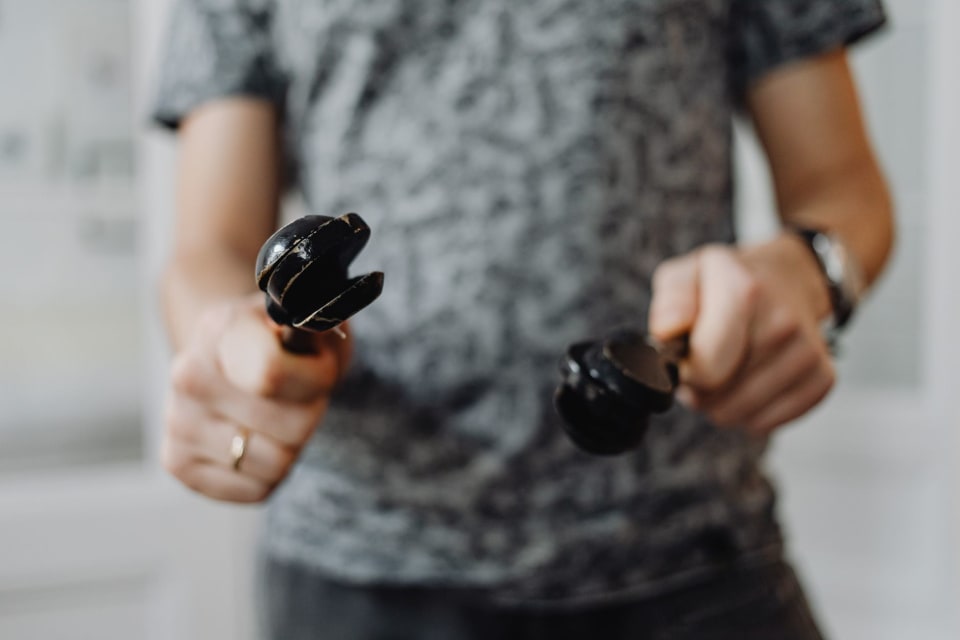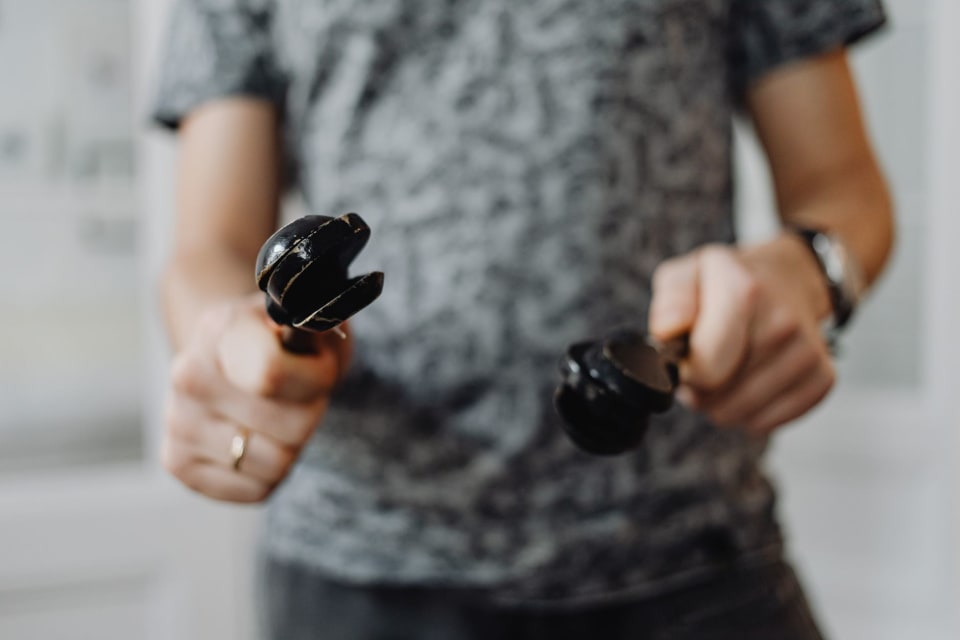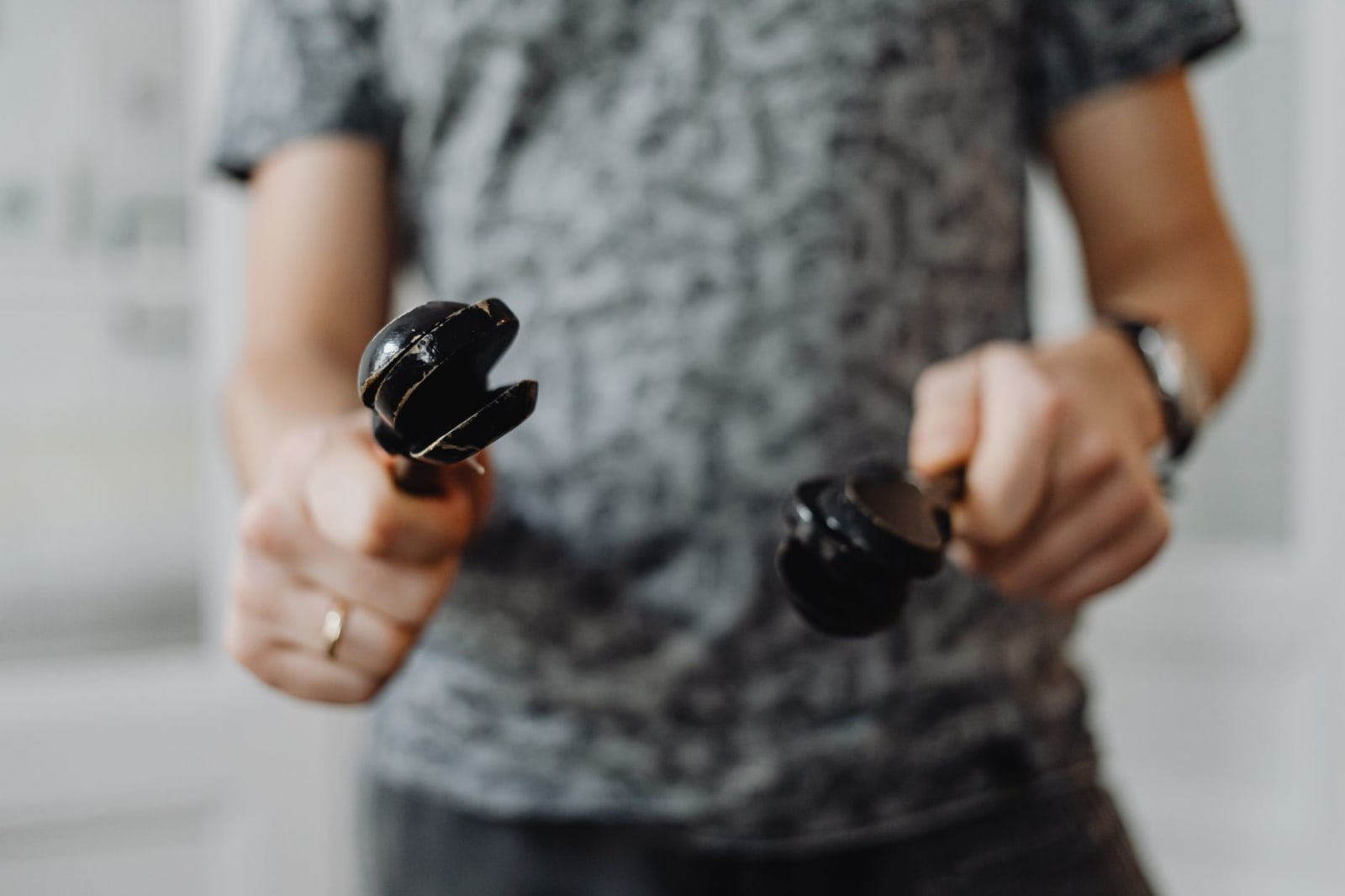
Castanets (from Spanish castañas — “chestnuts,” after their shape) are an inseparable part of Spanish culture. Their roots reach back to the ancient Mediterranean: similar instruments appear on Ancient Egyptian frescoes and Ancient Greek vases. But it was Spain that made them a world symbol.
Classical castanets are made of hard wood (walnut, ebony, rosewood). A pair of shells joined by a cord is held between the fingers — index and thumb. A professional performer plays two pairs at once — one on the right hand (hembra, higher pitch), the other on the left (macho, lower).
In flamenco, castanets tap out intricate rhythmic patterns synchronized with the stamping of the dancer's feet. Castanets entered academic orchestral music through the 19th-century “Spanishomania”: Bizet's Carmen, Rimsky-Korsakov's Capriccio espagnol. Ballet also makes wide use of castanets in the Spanish scenes of Manuel de Falla's The Three-Cornered Hat.