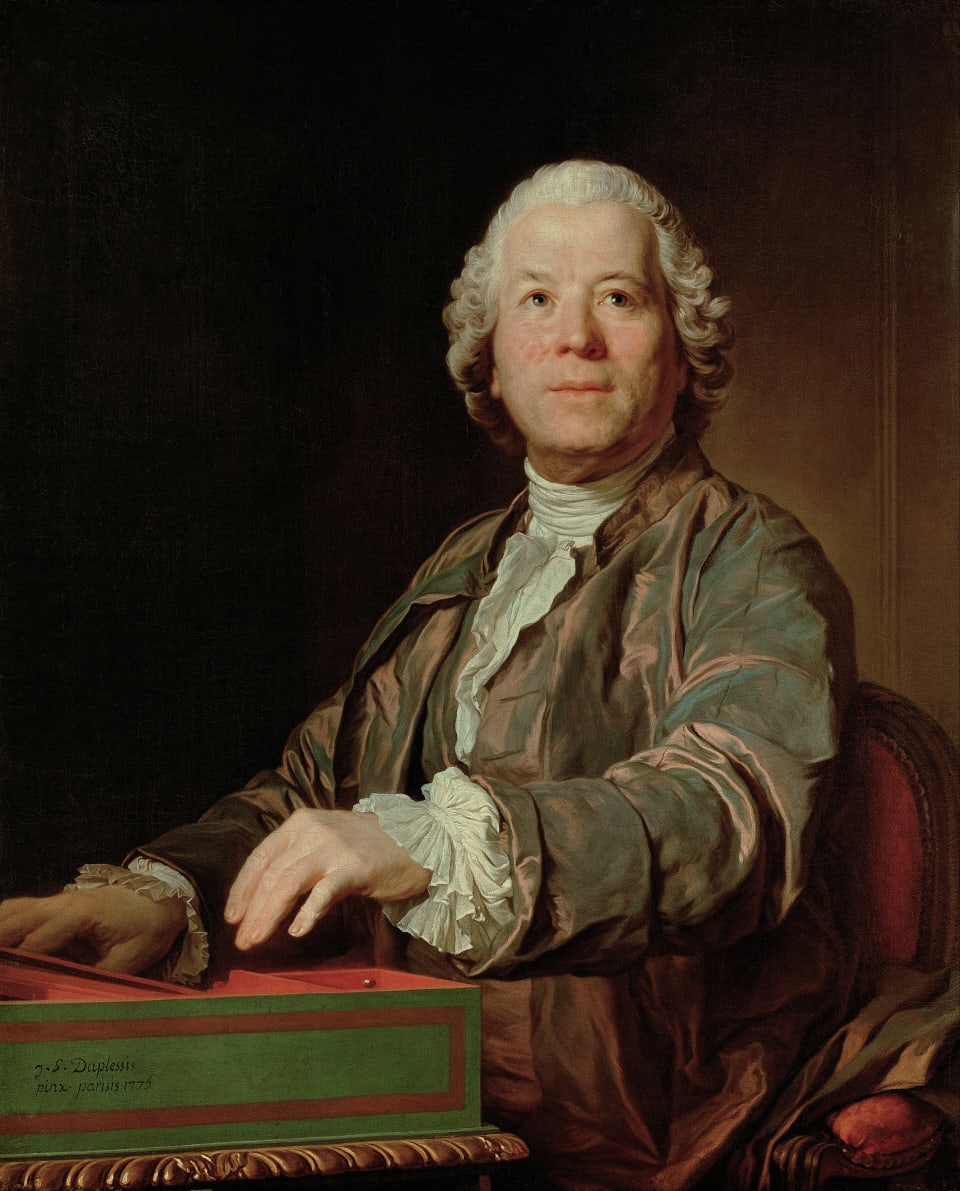



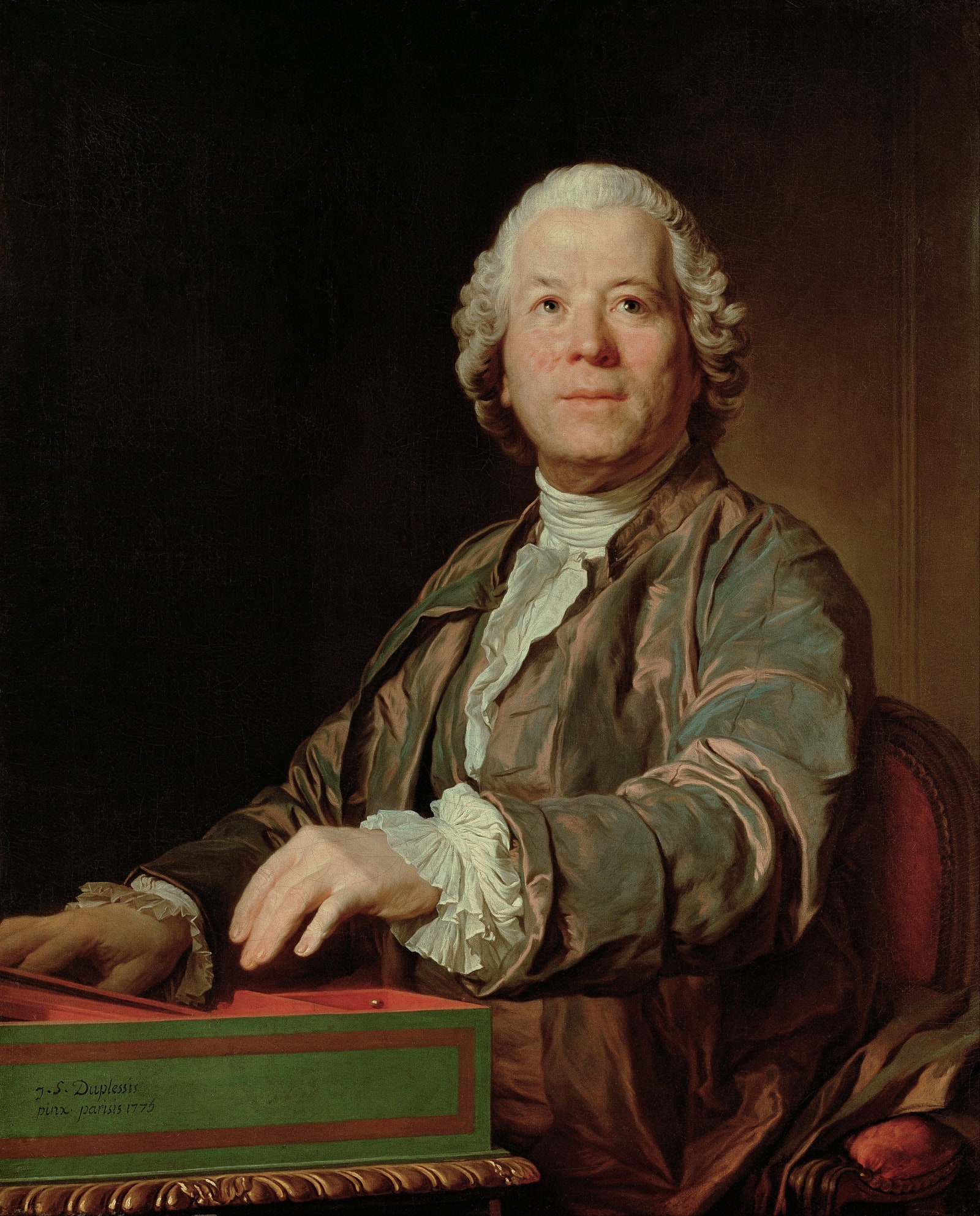
Christoph Willibald Gluck (1714–1787) was a German composer of the Classical era who went down in history above all as a great reformer of opera. He resolutely opposed the excessive splendour and artificial virtuosity of the Italian opera of his time.
Gluck strove for music to serve the drama, not the other way round: he sought naturalness of feeling, clarity, and an organic unity of music, word, and stage action. He embodied his principles in famous operas — above all in “Orfeo ed Euridice” with its celebrated “Dance of the Blessed Spirits,” as well as in “Alceste” and “Iphigénie en Tauride.” Gluck's reform had an enormous influence on the later development of the opera genre and prepared the ground for the operatic work of Mozart and the composers of the 19th century.