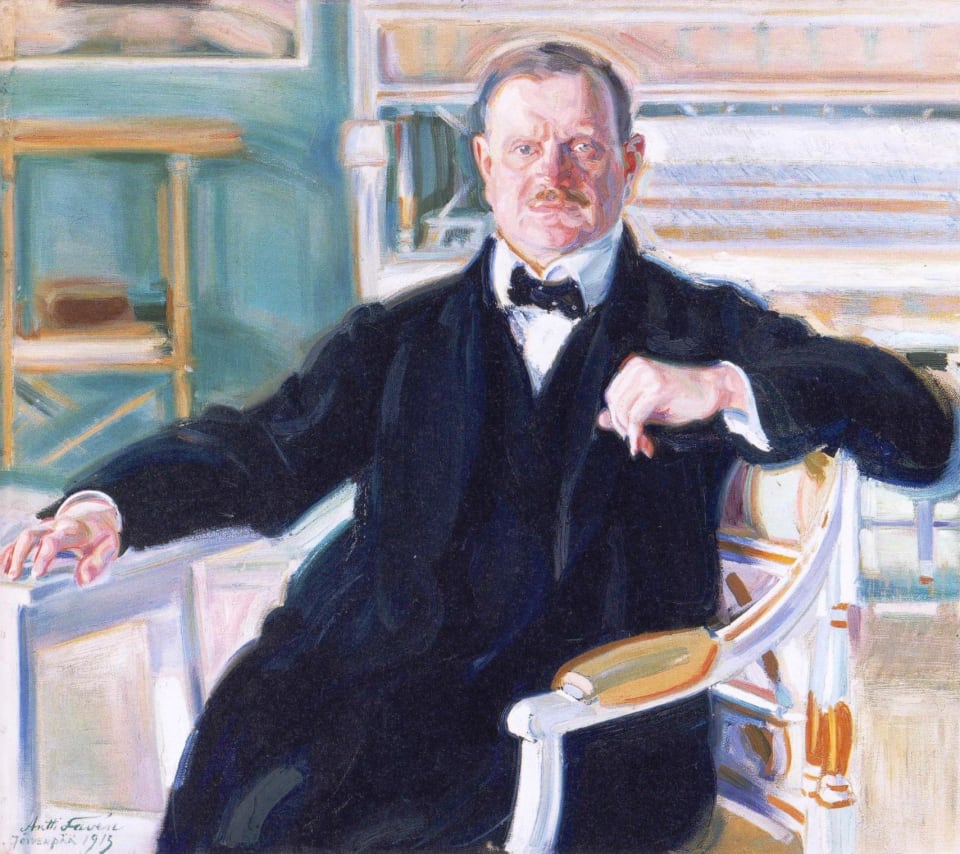


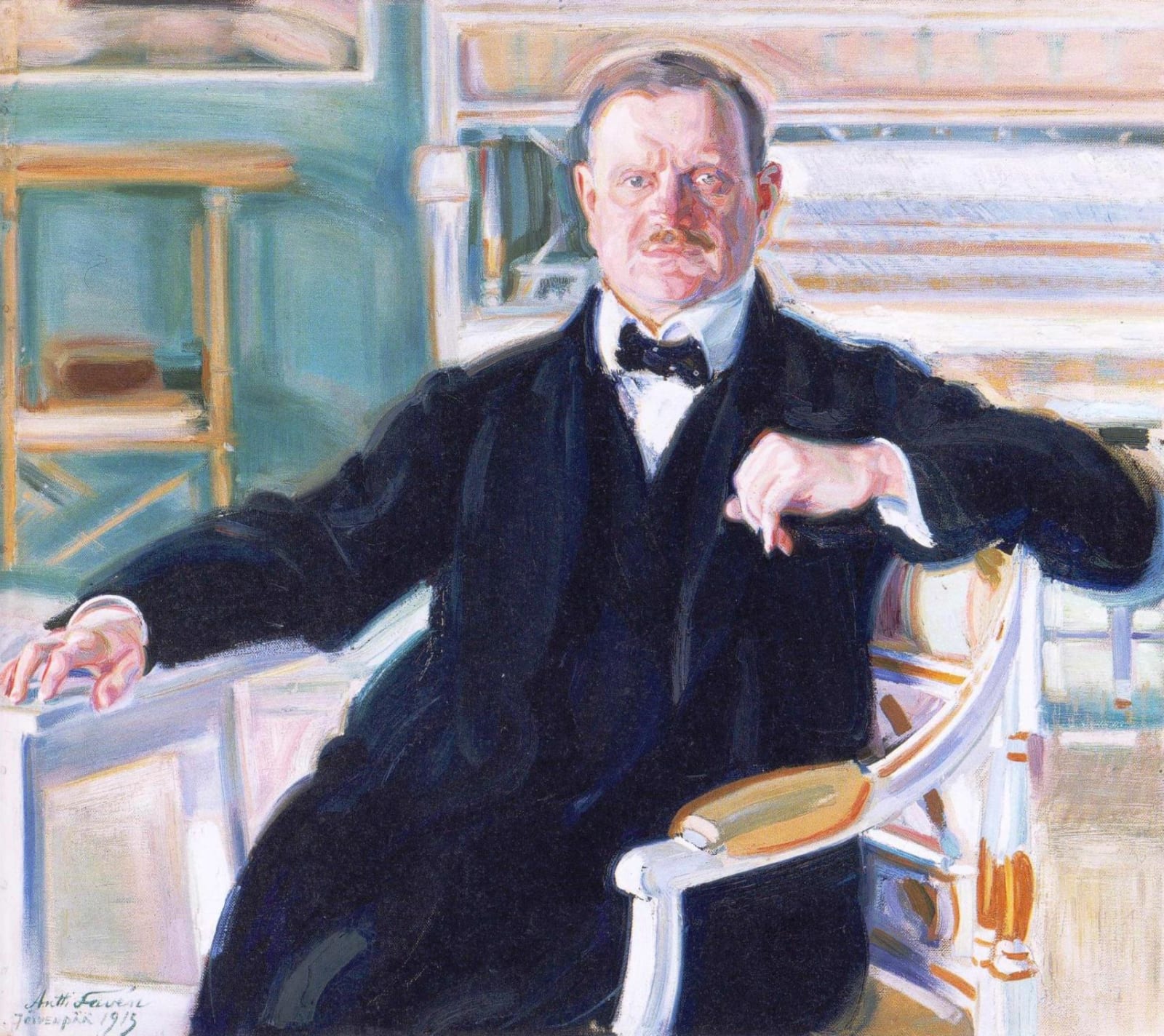
Jean Sibelius is the greatest composer of Finland, whose music became the voice of the Finnish national awakening. His symphonic poem “Finlandia” (1899) turned into an unofficial anthem of the people's struggle for independence — so much so that, to evade imperial censorship, it had to be performed under other titles.
Sibelius created seven symphonies, a violin concerto, and symphonic poems on subjects from the Finnish epic “Kalevala” (“The Swan of Tuonela,” “Pohjola's Daughter”). His music is like nothing else: austere, spacious, like the northern forests and lakes, with a slow “geological” growth of the theme. For the last thirty years of his life he wrote almost nothing (the “silence of Järvenpää”). Sibelius remains a symbol of how music can embody the soul of an entire people and its yearning for freedom — something so close to Ukrainians as well.