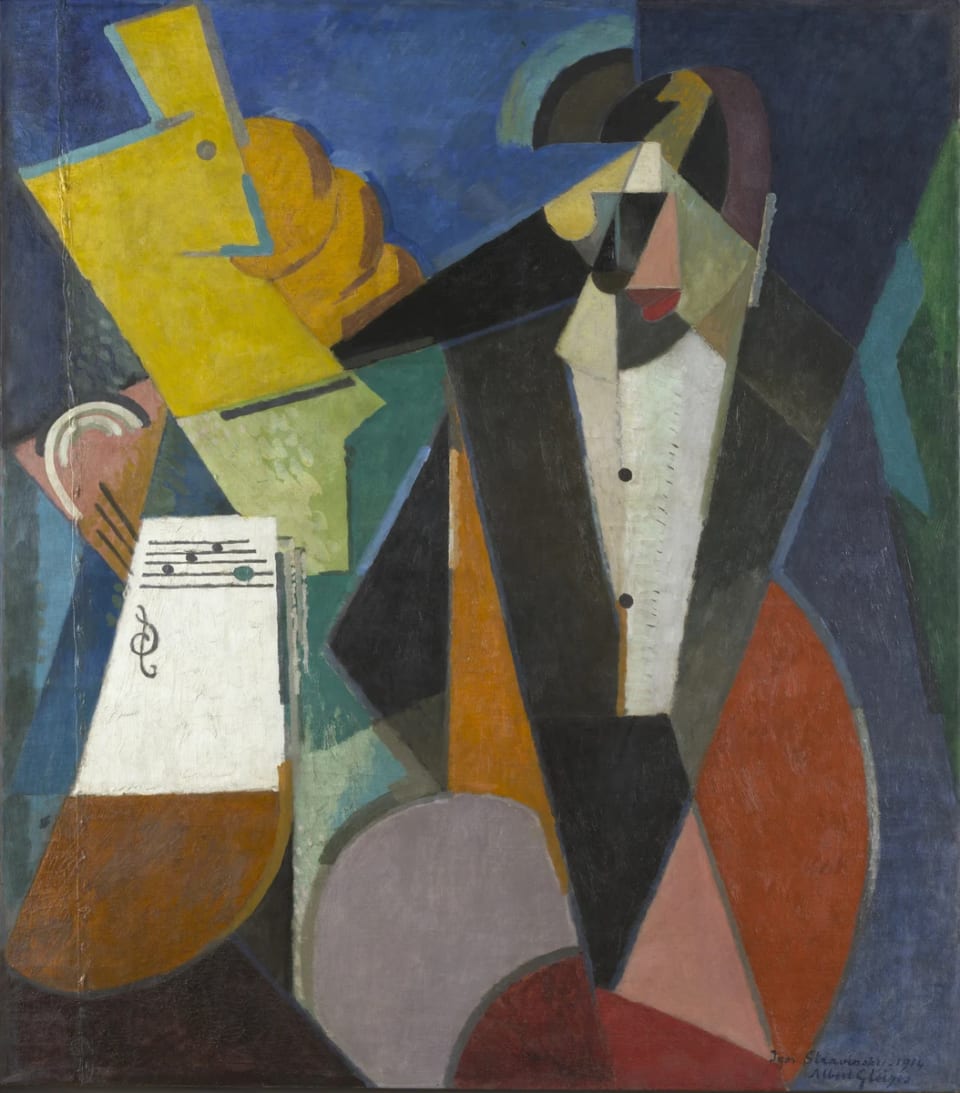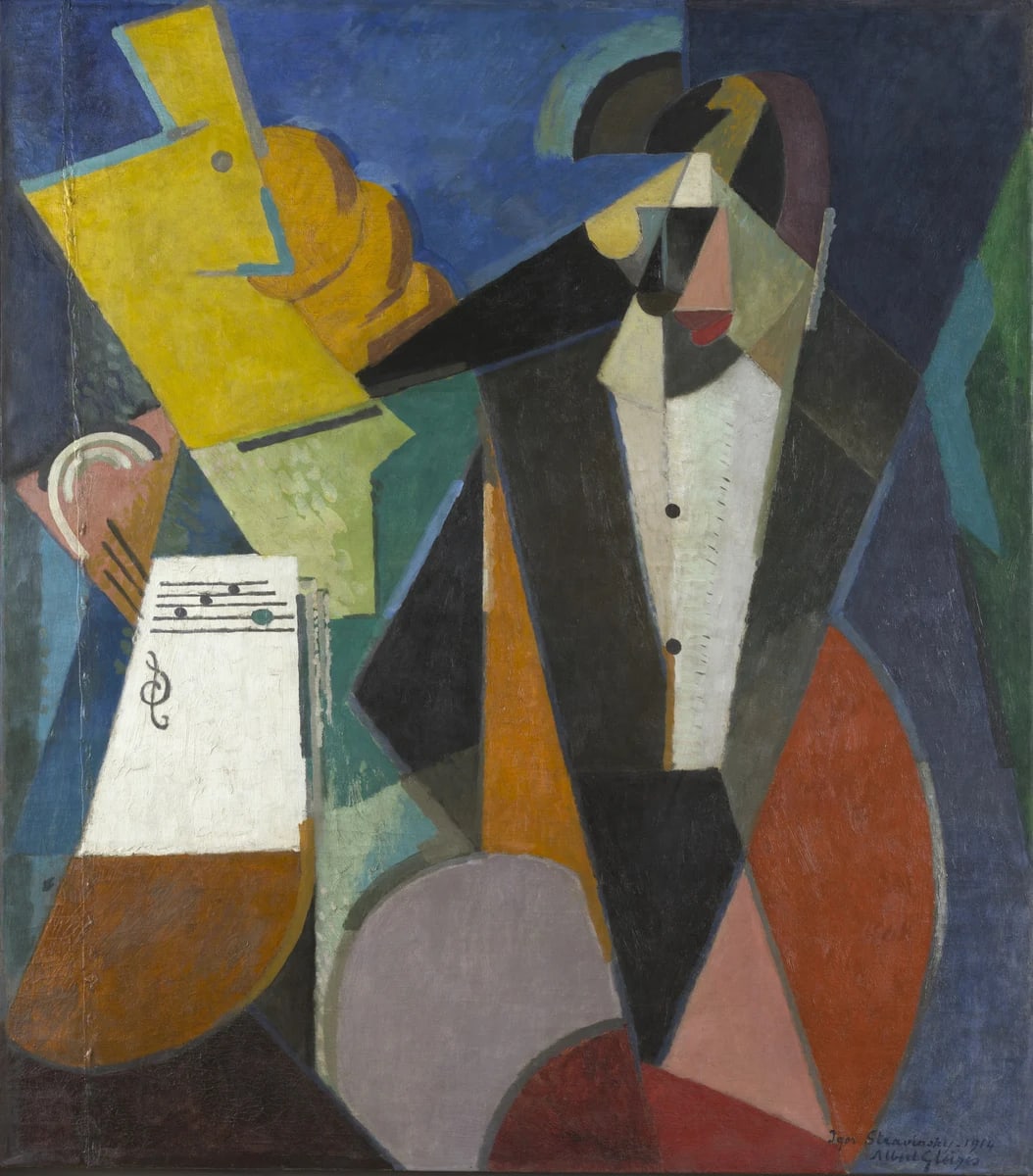
Stravinsky was a composer of Ukrainian and Polish descent. His father, the Mariinsky Theatre operatic bass Fyodor Stravinsky, came from a noble family of the Sulima coat of arms and was a native of the Chernihiv region; his mother, Anna Kholodovska, was from Kyiv, a pianist and singer. The composer himself recalled that the old family name was Sulyma-Stravinsky, its coat of arms carrying elements of the arms of Hetman Ivan Sulyma — the first part of the name was dropped during imperial administrative changes.
He is bound to Ukraine through Ustyluh in Volyn, where he lived and worked for many years — The Rite of Spring, in particular, took shape there. It is now the site of the only Stravinsky memorial museum in the world. The influence of Ukrainian folk songs, rhythms and rites is audible across his work.
The premiere of the ballet The Rite of Spring (Paris, 1913, with the Ballets Russes and choreography by Nijinsky) caused the scandal of the century — the audience brawled in the hall, shocked by the wild rhythm and illogical harmony. Today this score is considered one of the most important of the 20th century. Other masterpieces: The Firebird (1910), Petrushka (1911), Symphony of Psalms, Pulcinella (Neoclassical, drawing on Pergolesi), and his late serial works Agon and Threni. Stravinsky changed musical language — from the wild rhythm of Rite to transparent Neoclassicism, to crystalline serialism.