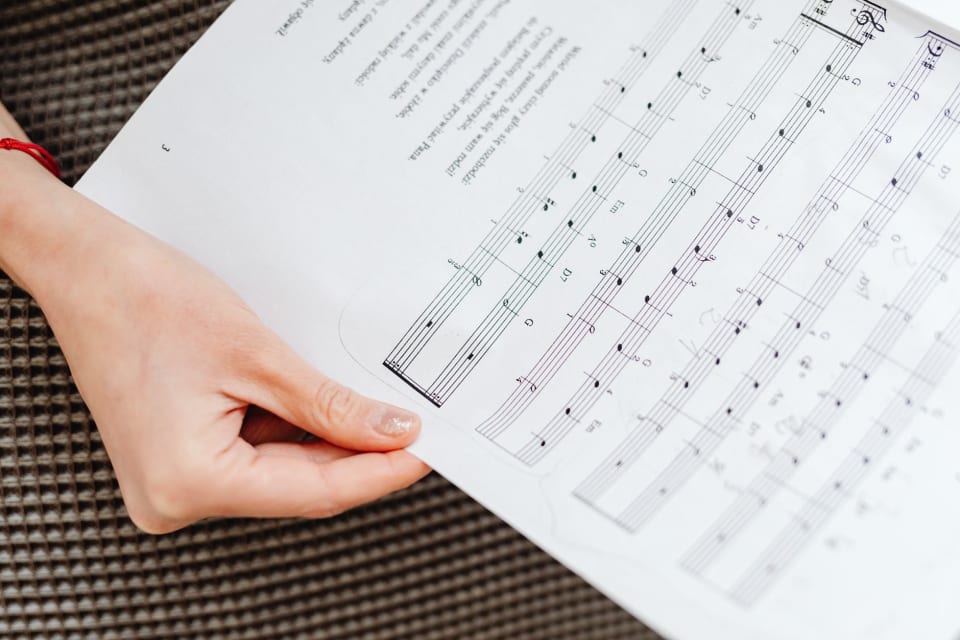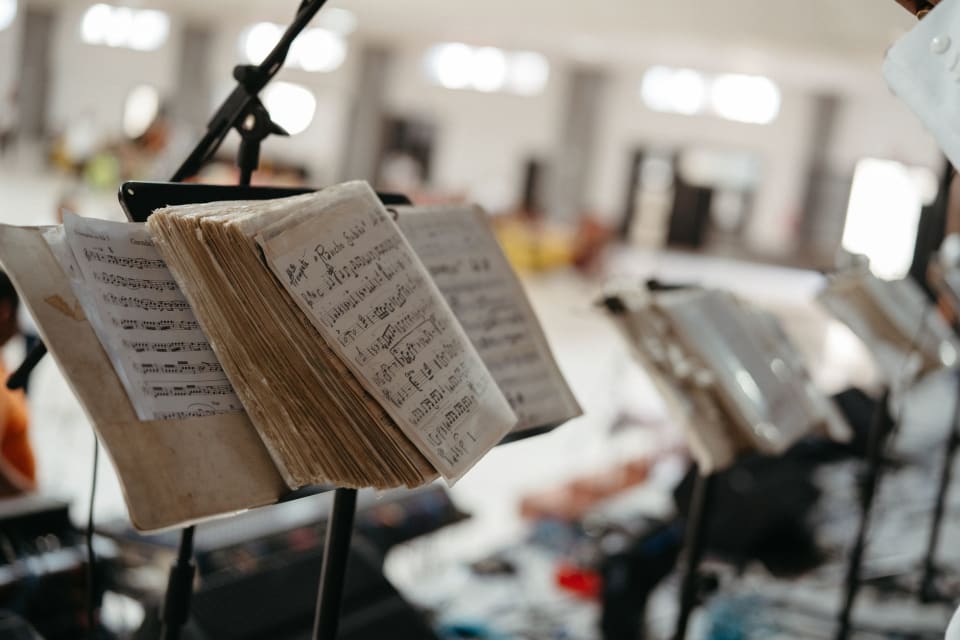

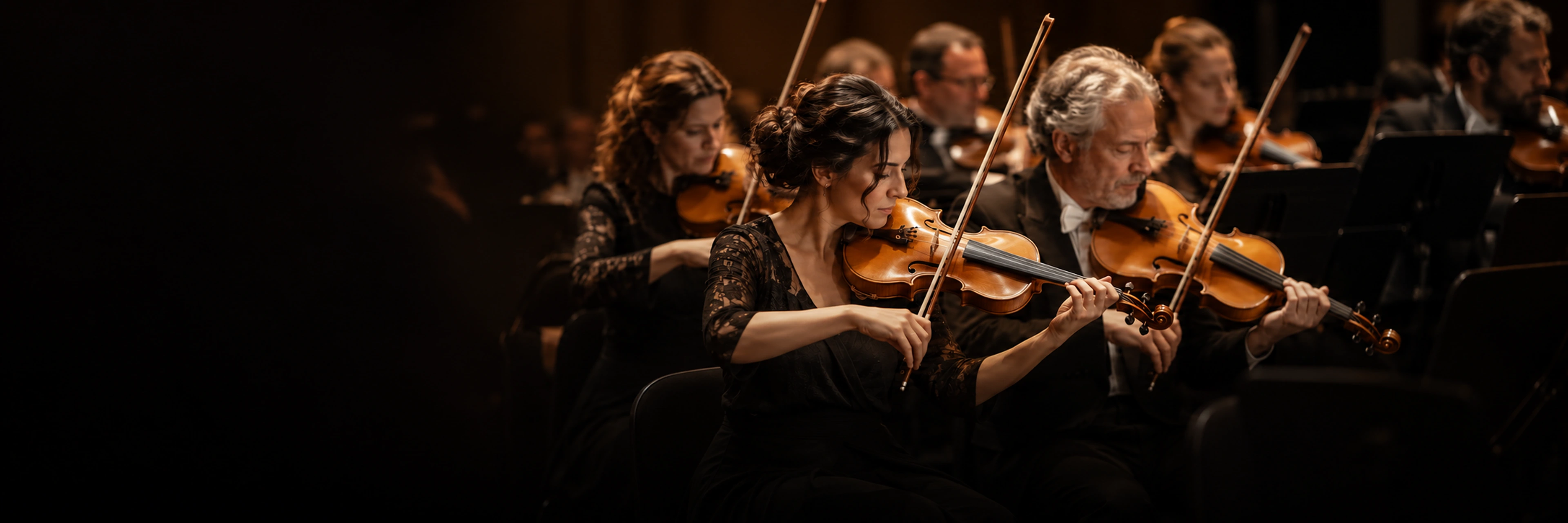

A cadenza is a bright moment of an instrumental concerto, when the orchestra suddenly falls silent and the soloist is left alone with the listeners, displaying all their virtuosity, fantasy, and power over the instrument. The cadenza usually sounds at the end of a movement, before the closing orchestral tutti.
Historically the cadenza was improvised by the performers themselves, freely developing the themes of the work — it was a true “examination” of mastery. Later composers began to write out cadenzas in full (as Beethoven and Mendelssohn did) to keep control of the style. A cadenza is often built on the concerto's main themes, “gathering” them in a brilliant finale, and frequently ends with a long trill — a signal for the orchestra's return. The cadenza is the climax of the dialogue between soloist and orchestra, the apotheosis of the performer's individual freedom.