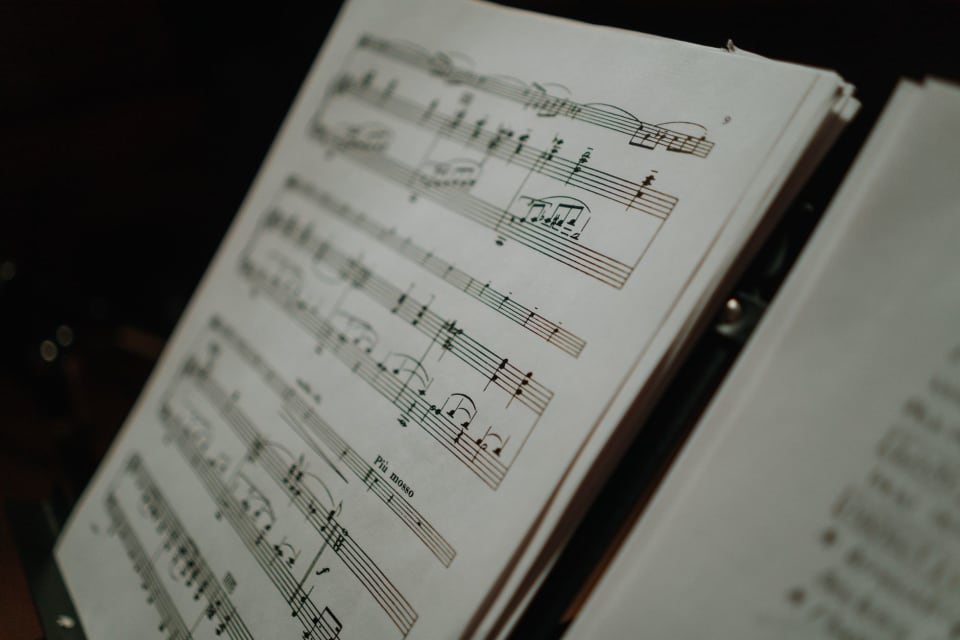

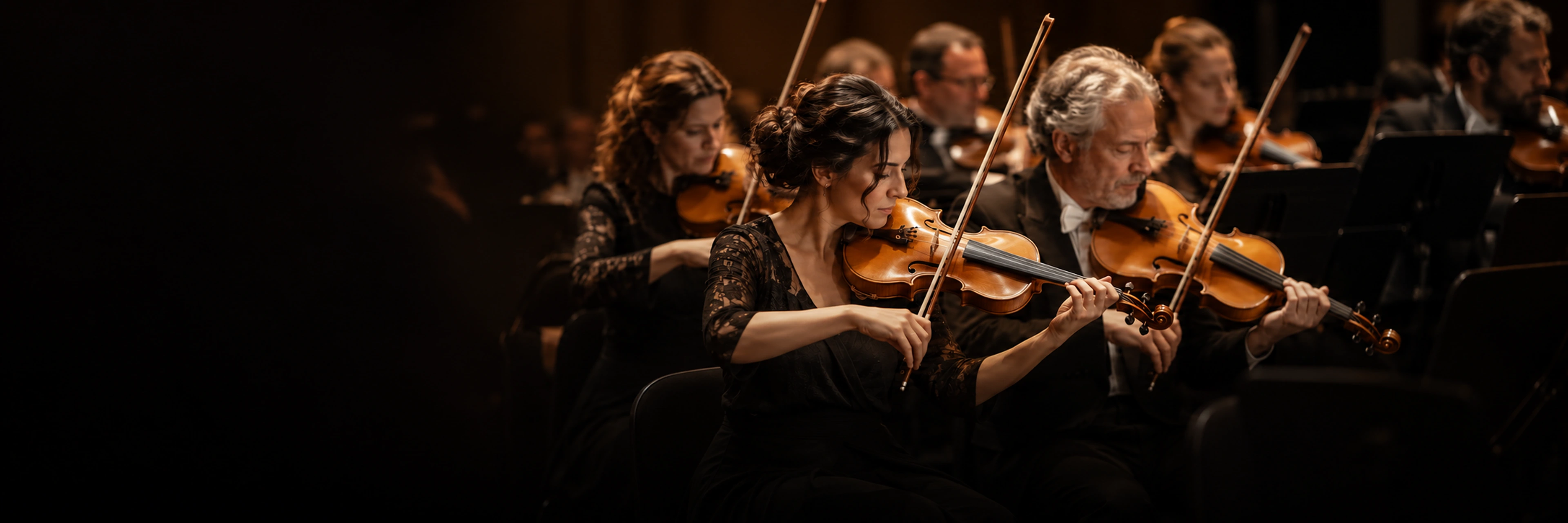


A fantasia is a genre whose chief hallmark is freedom. Unlike strictly regulated forms (the sonata, the fugue), a fantasia is built on the whim of the creative imagination: in it contrasting episodes, unexpected changes of mood, tempo, and character alternate freely, like an improvisation fixed on paper.
Fantasias were written in every era: Baroque (Bach paired the fantasia with a fugue), Classical (Mozart's dramatic Fantasia in C minor), Romantic (Schubert, Schumann, and Liszt raised the genre to large-scale poems). Often a fantasia was built on others' themes — operatic or folk (as in the “Hungarian Fantasies”). Kindred to it are improvisation, rhapsody, and prelude. The fantasia is the embodiment of the Romantic ideal of free creative flight, unfettered by rules.