

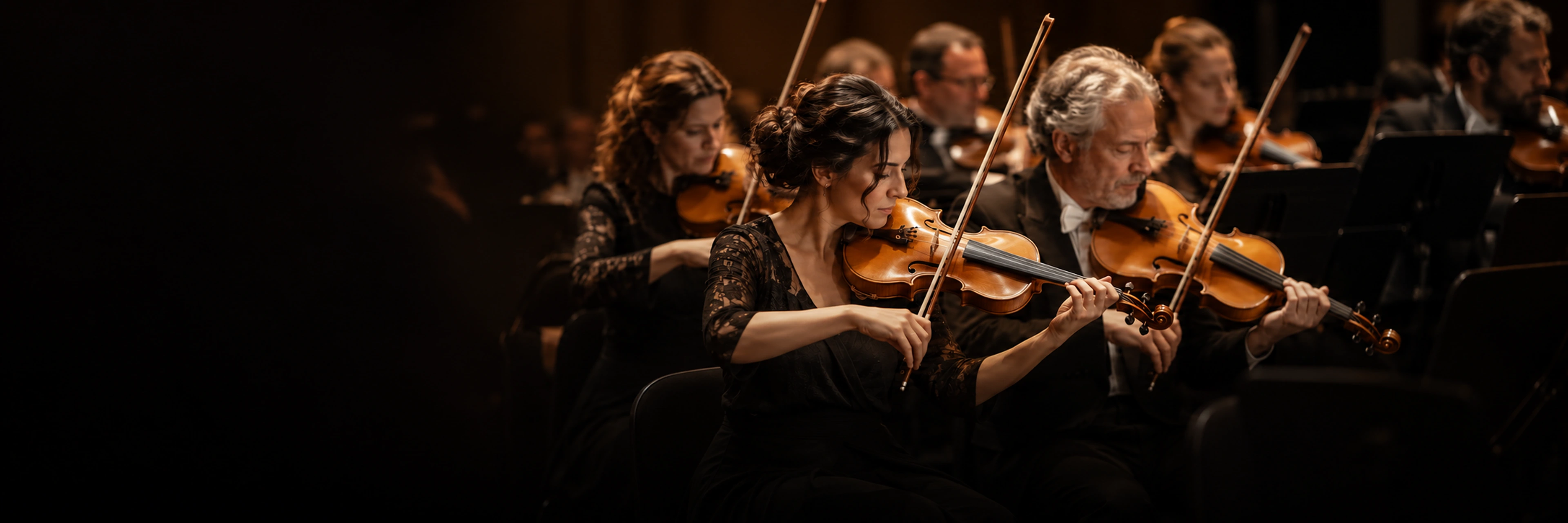


Harmony is the vertical dimension of music. Where melody moves horizontally (through time), harmony is the momentary snapshot of all notes sounding at once.
Classical tonal harmony (Bach, Mozart, Chopin) is built on triadic chords and functional relationships (tonic — subdominant — dominant). In the 20th century Debussy, Bartók, and Messiaen expanded the palette through non-tertian chords, modality, and dissonant sonorities. Jazz harmony made seventh chords its foundation and added altered scale degrees and complex substitutions — a whole separate discipline.
The study of harmony examines how individual chords join into progressions and how voices move from sonority to sonority (voice leading). Its key concept is function: within a key each chord plays the role of tonic, subdominant, or dominant, and it is the interplay of these functions that creates the sense of tension and release, motion and rest, on which the drama of tonal music rests.