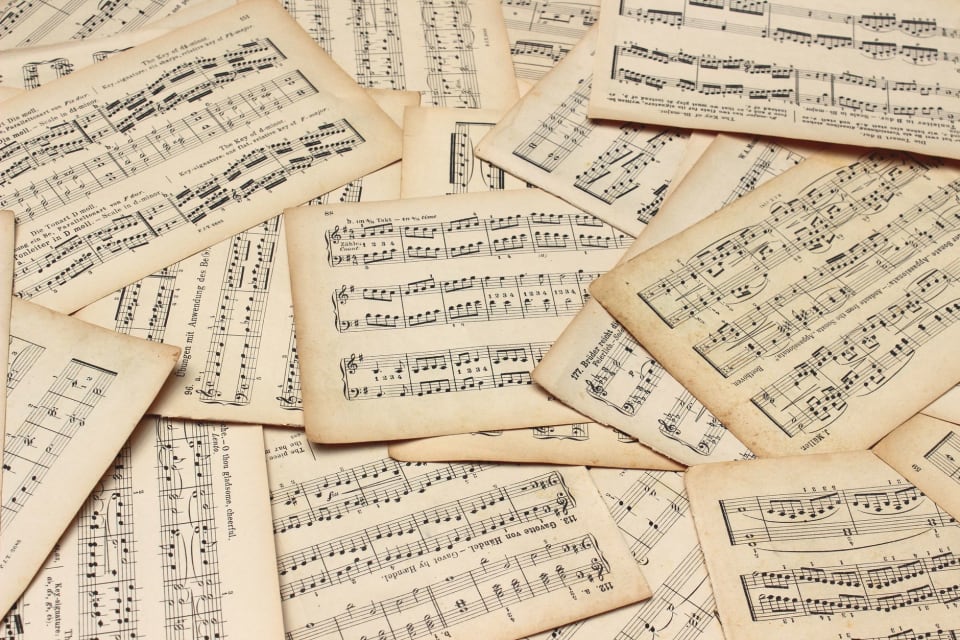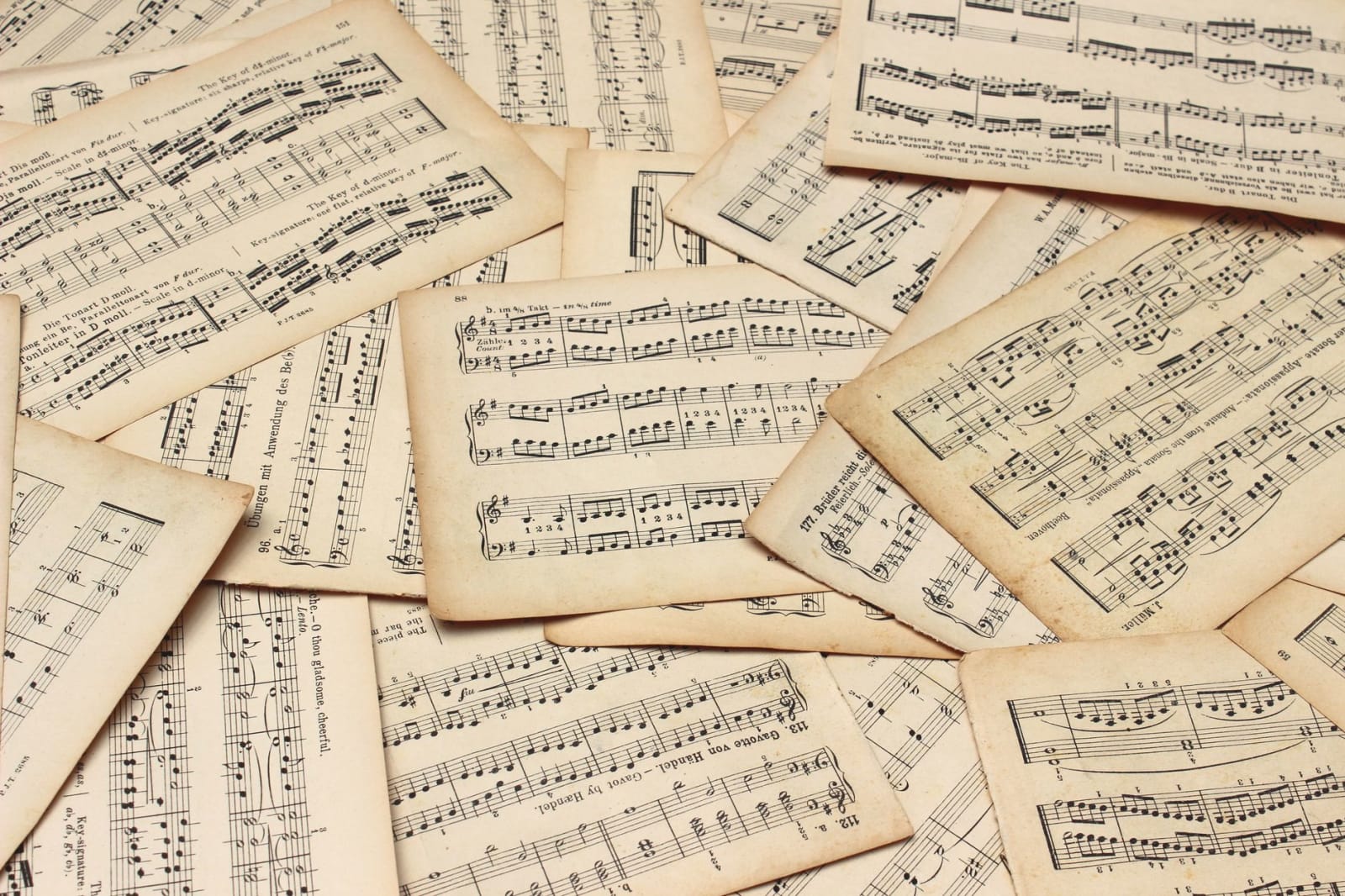
A measure (bar) is the basic unit of the metric division of music, bounded by vertical barlines. Each measure contains the same number of beats set by the time signature, and the first beat of the measure (the strong beat) usually receives a natural metric accent.
The regular alternation of strong and weak beats across measures creates the “pulse” of the music — the thing we unconsciously tap our foot to. Division into measures appeared in European notation around the 17th century and became the basis for notating metered music. A measure is, as it were, the “frame” within which the rhythmic pattern unfolds; its boundaries organise time, making music intelligible for ensemble performance. At the same time, a masterful “breaking” of the barline (syncopation, a shifted accent) is a powerful expressive means.