

Vibrato is the “life” inside a sound. A perfectly straight tone feels cold and metallic; vibrato makes it human, “breathing.”
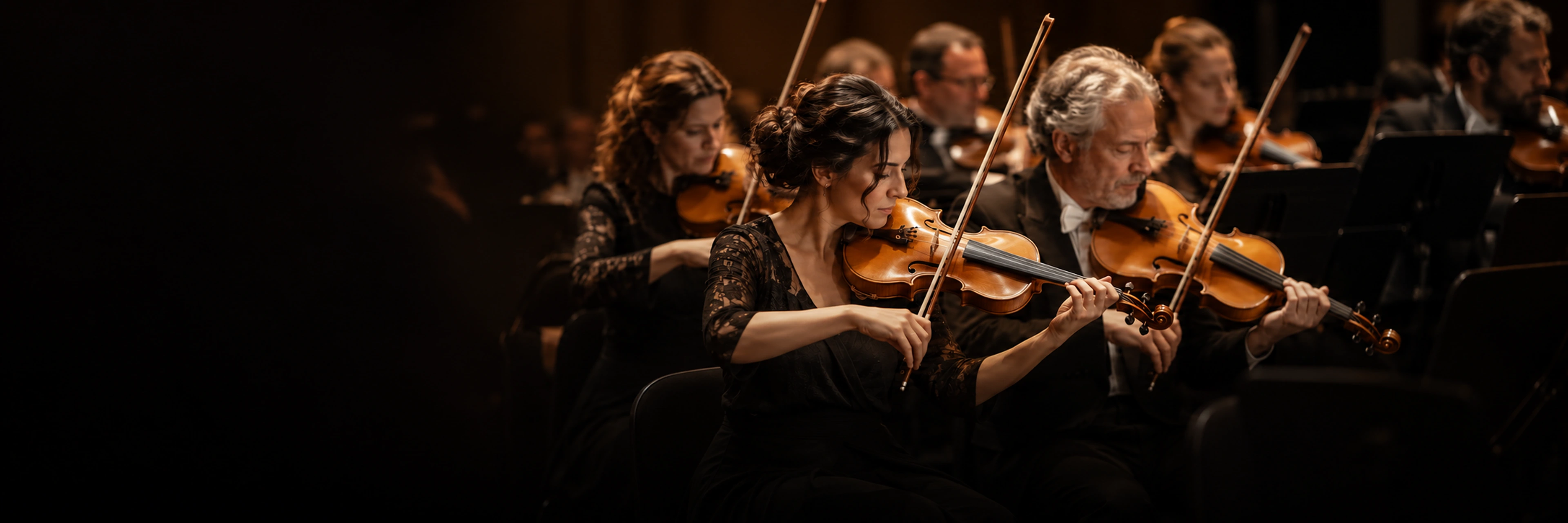
On the violin, vibrato is created by the finger oscillating on the string; on winds, by small movements of the diaphragm or lips. In singing, natural vibrato comes from the vocal folds themselves. The speed and amplitude of the fluctuation are a performer's signature: a narrow, nervous vibrato in Pavarotti, a broad, calm one in Callas.
Vibrato is a periodic fluctuation of pitch (and, in part, of loudness and timbre), typically 5–7 times per second. Historically it travelled from a rare ornament in the Baroque age to an almost constant element of string and vocal tone production in Romanticism. Today's performers of early music deliberately restrain vibrato in order to approach the authentic, “clean” sound of the era.