
Skip to content
PLAY UKRAINE MUSIC — Digital Philharmonic
Expressionism
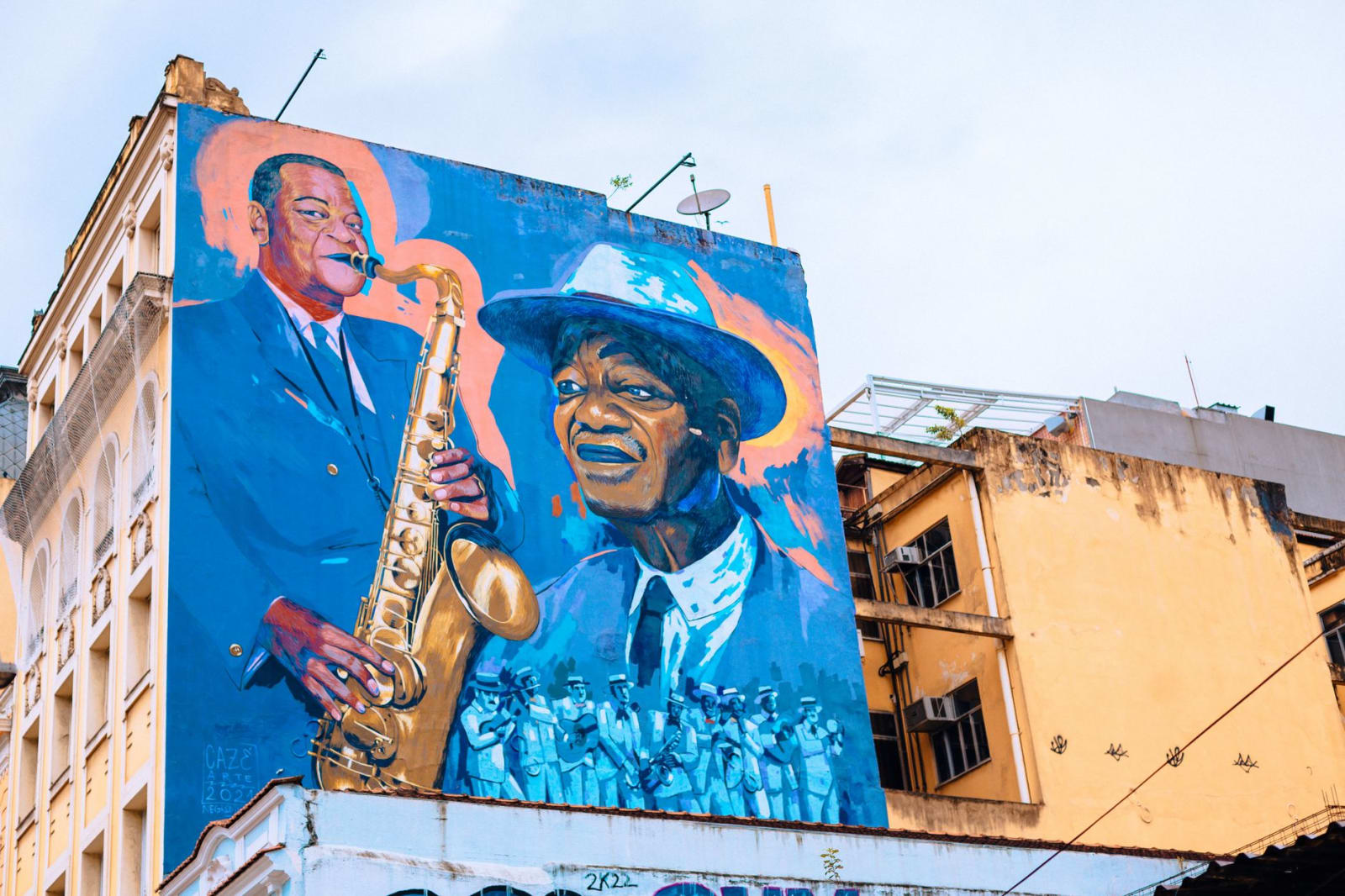
Author: Marcelo Chagas. License: Pexels License — https://www.pexels.com/license/. Source

Expressionism

Експресіонізм

Audio: Expressionism

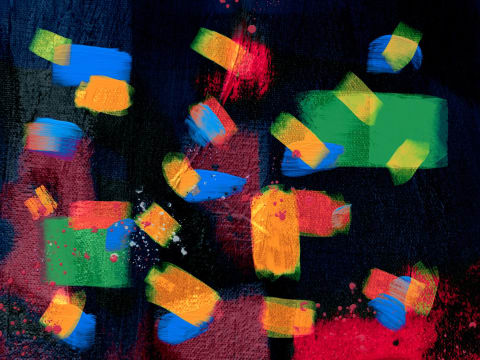
Expressionism (1900–1930s) is the music of extreme inner states — anxiety, terror, ecstasy. Schoenberg, Berg, and Webern — the “Second Viennese School” — abandoned tonality as the basis of musical language.

Expressionism responded to the crisis of European civilization in the early 20th century, Freudian theory, and later the First World War. Composers sought a way to express the unconscious, the irrational, the terrifying — and found it in an atonal language without a center of gravity.

Key works: Pierrot Lunaire by Arnold Schoenberg (1912) — a cycle for voice and instruments using Sprechstimme (speech-song); Wozzeck by Alban Berg (1925) — the opera that helped establish the viability of large-scale atonal drama; the miniatures of Anton Webern (Five Pieces for Orchestra, Op. 10) — concentrated “pearls” of sound, where every note is an event. The Ukrainian imprint of Expressionism is heard in the early works of Borys Lyatoshynsky (Second Symphony) and Valentyn Silvestrov.
Historical artifact

Expressionism
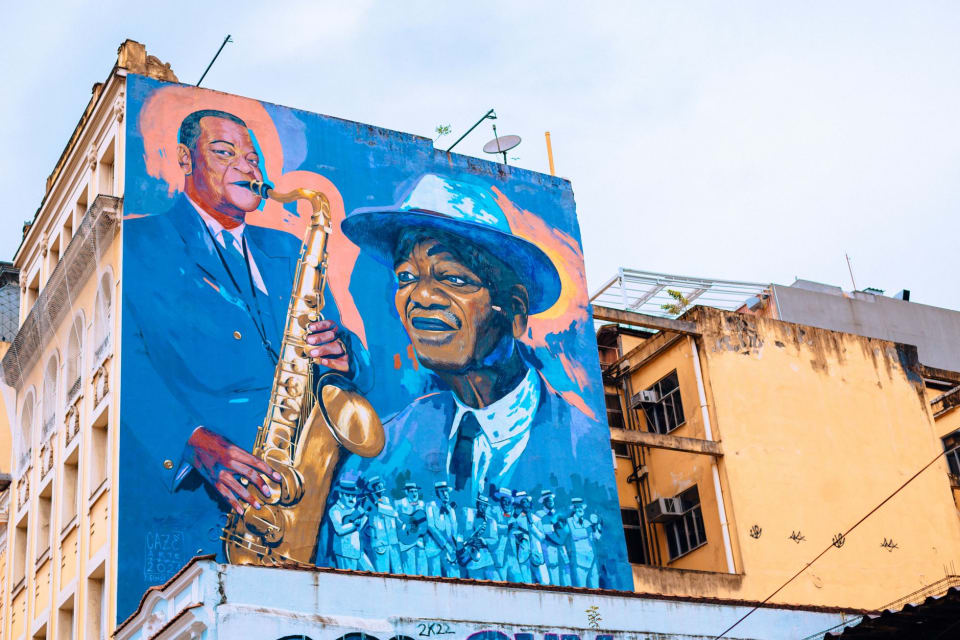
Marcelo Chagas · Pexels License — https://www.pexels.com/license/ · Source

Modern incarnation

Expressionism
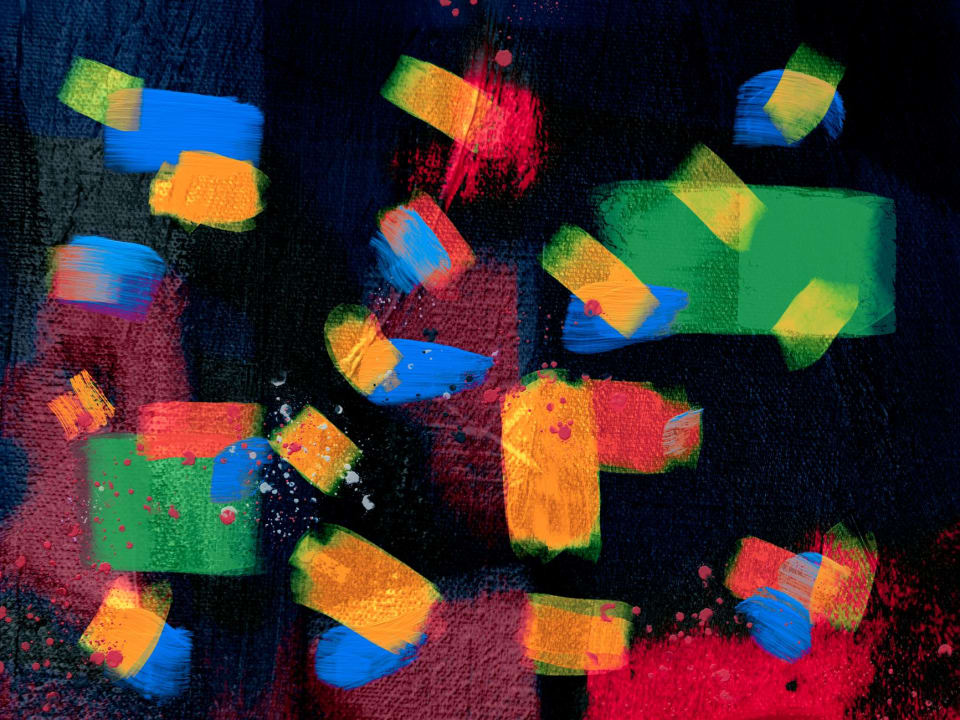
Steve A Johnson · Pexels License — https://www.pexels.com/license/ · Source
Video: Expressionism

Cultural Versus

Historical: Expressionism
Marcelo Chagas · Pexels License — https://www.pexels.com/license/
Modern: Expressionism
Marcelo Chagas · Pexels License — https://www.pexels.com/license/

Expressionism

Sub-category:
classical

Expressionism (1900–1930s) is the music of extreme inner states — anxiety, terror, ecstasy. Schoenberg, Berg, and Webern — the “Second Viennese School” — abandoned tonality as the basis of musical language.

Historical: Ars Nova
cottonbro studio · Pexels License — https://www.pexels.com/license/
Modern: Ars Nova
cottonbro studio · Pexels License — https://www.pexels.com/license/

Ars Nova

Sub-category:
classical

Ars nova (“the new art,” 14th-century France and Italy) is a revolution in rhythm and notation that gave music independence from words. The age of Guillaume de Machaut and Francesco Landini.

Related across the platform

Other dimensions of culture

The whole Play Ukraine ecosystem

  • Art
  • Fashion
  • Cuisine
  • Literature
  • Play Ukraine — The whole ecosystem

Test mode: all content on this site is for testing and will be removed at launch.