

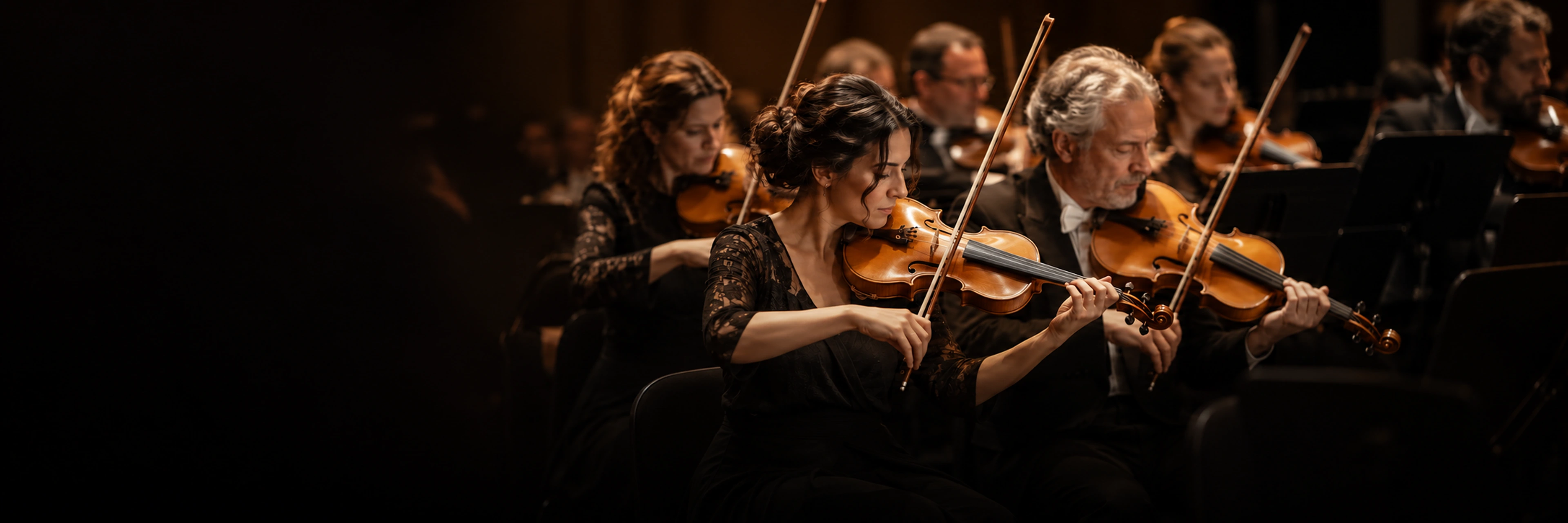


Expressionism responded to the crisis of European civilization in the early 20th century, Freudian theory, and later the First World War. Composers sought a way to express the unconscious, the irrational, the terrifying — and found it in an atonal language without a center of gravity.
Key works: Pierrot Lunaire by Arnold Schoenberg (1912) — a cycle for voice and instruments using Sprechstimme (speech-song); Wozzeck by Alban Berg (1925) — the opera that helped establish the viability of large-scale atonal drama; the miniatures of Anton Webern (Five Pieces for Orchestra, Op. 10) — concentrated “pearls” of sound, where every note is an event. The Ukrainian imprint of Expressionism is heard in the early works of Borys Lyatoshynsky (Second Symphony) and Valentyn Silvestrov.