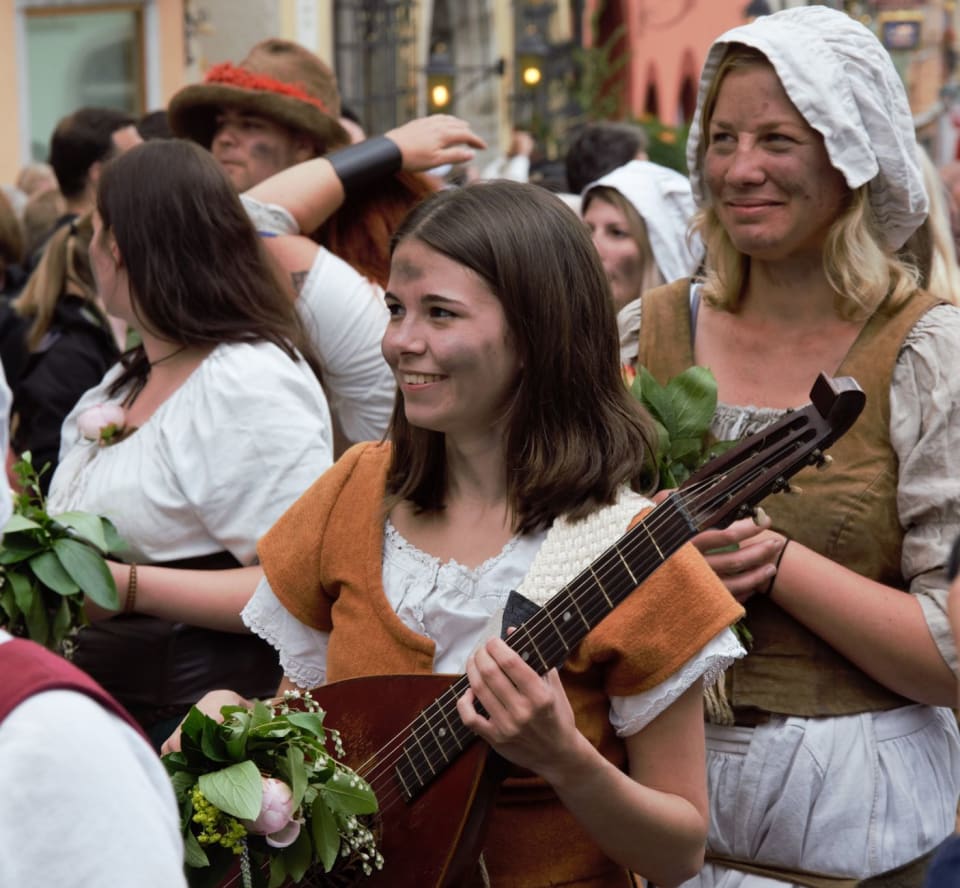


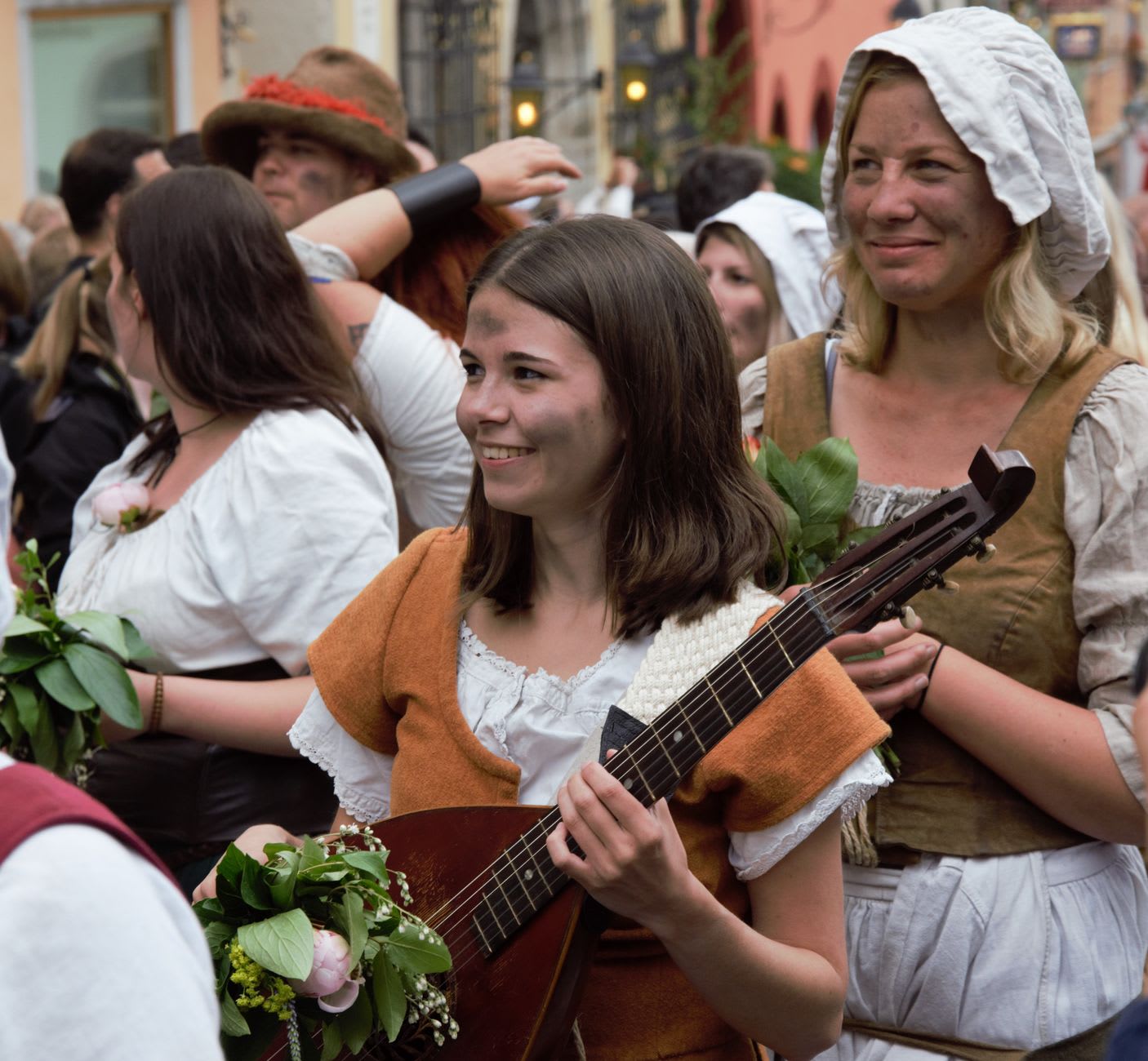
Medieval music begins with monody — the single-voiced Gregorian chant — and gradually discovers polyphony. In the 9th–12th centuries organum is born (parallel motion of voices), and the Notre-Dame school (Léonin, Pérotin, 12th–13th c.) creates Europe's first rhythmically organised polyphonic works.
Alongside the sacred tradition, secular song flourishes — the art of the troubadours and trouvères, and the German Minnesänger. The first notation takes shape (neumes → the square note on Guido of Arezzo's staff). In the Ukrainian lands of this era, znamenny chant and the early church singing of Kyivan Rus developed.