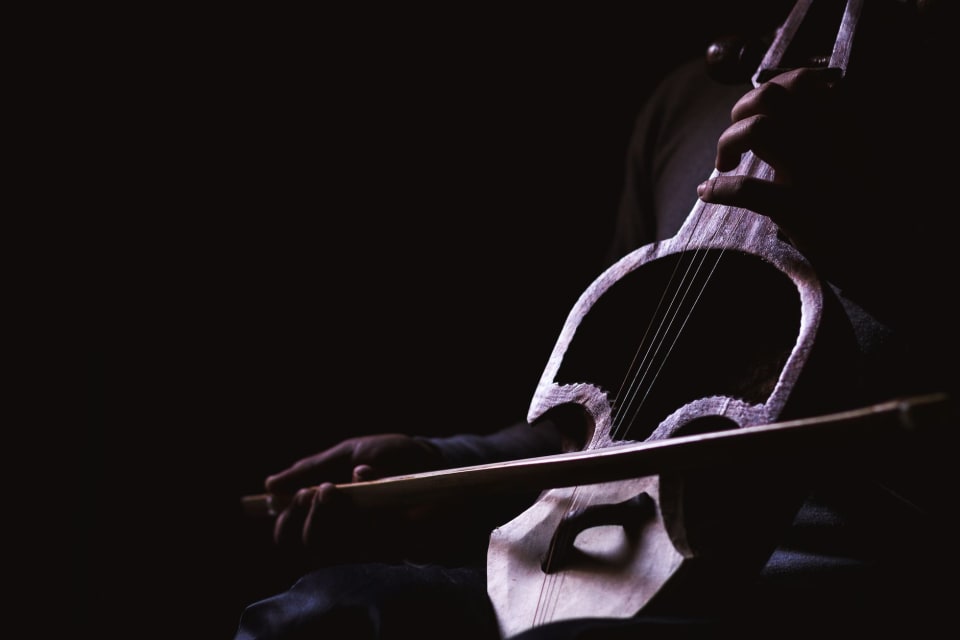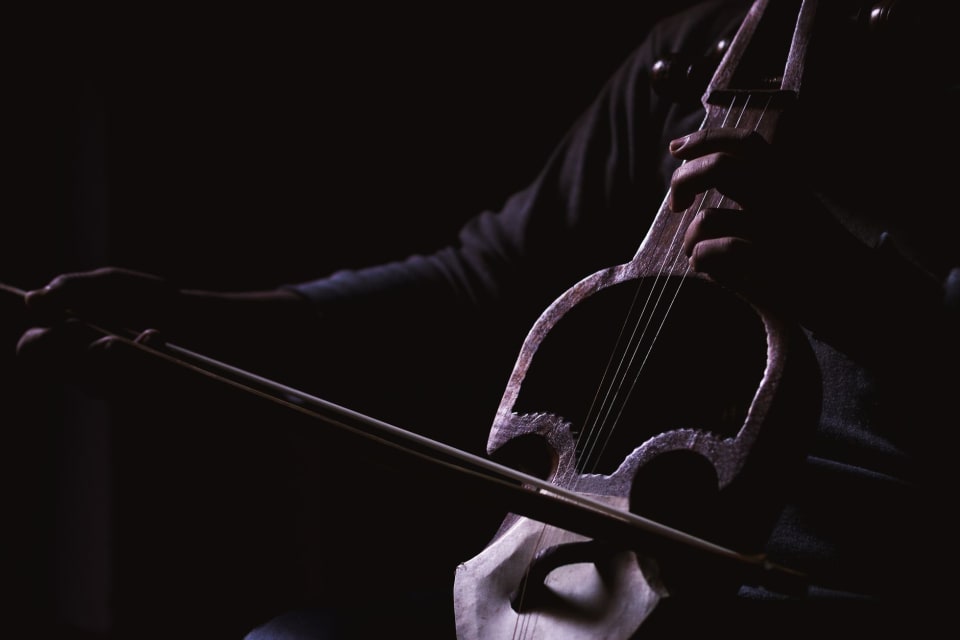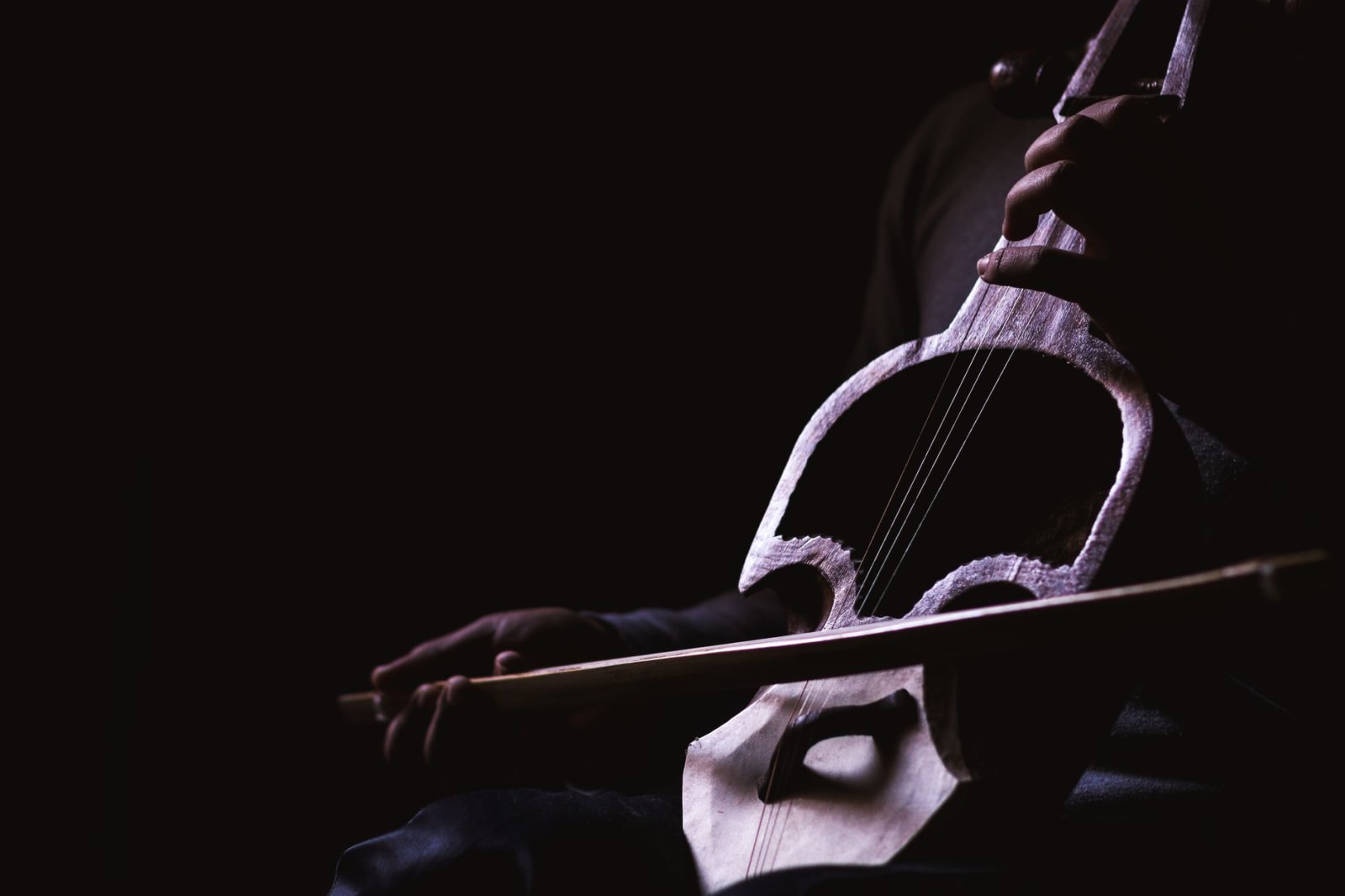
The rebab is one of the oldest bowed lutes, which is first mentioned in the 10th century in the Islamic world and spread over an enormous territory — from North Africa and the Middle East to Spain and Southeast Asia. There are countless forms of it, usually with a small body (often covered with hide), one to three strings, and a long neck.
The rebab has historical significance of a global scale: through Moorish Spain and the Crusades it reached medieval Europe, becoming one of the ancestors of the modern bowed instruments — the vielle, and later the violin. Its nasal, penetrating, at times “weeping” voice still sounds today in the classical and folk music of the Arab world, Turkey, and Indonesia. The rebab is a living bridge between the ancient musical traditions of East and West.