

Astor Piazzolla (1921–1992) was an Argentine composer and a virtuoso of the bandoneón who carried out a genuine revolution, transforming the tango from the dance music of cafés into the refined art of the concert hall. The style he created, tango nuevo (“new tango”), fused the passionate rhythm of the Argentine tango with the harmony of jazz and the forms of academic music.
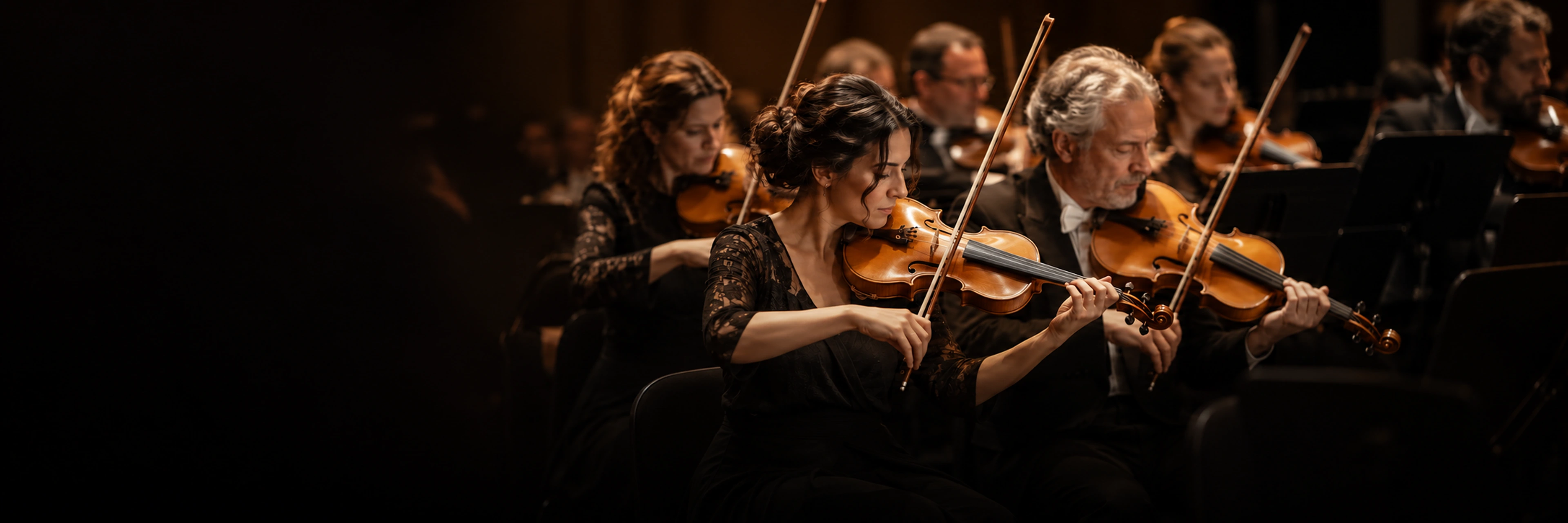
At first a conservative public rejected his bold innovations, but in time it was Piazzolla who became the face of tango for the whole world. His works — “Libertango,” “Adiós Nonino,” and the cycle “The Four Seasons of Buenos Aires” — are performed by jazz musicians, classical orchestras, and string quartets alike. Piazzolla proved that a folk dance can become the basis for deep, intellectual, and emotionally rich music of world stature.