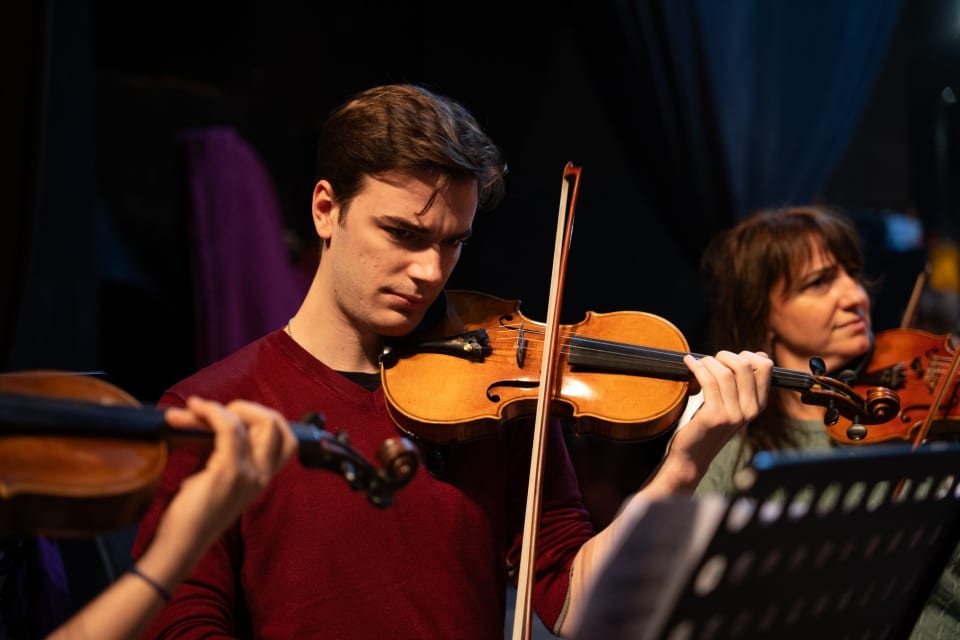

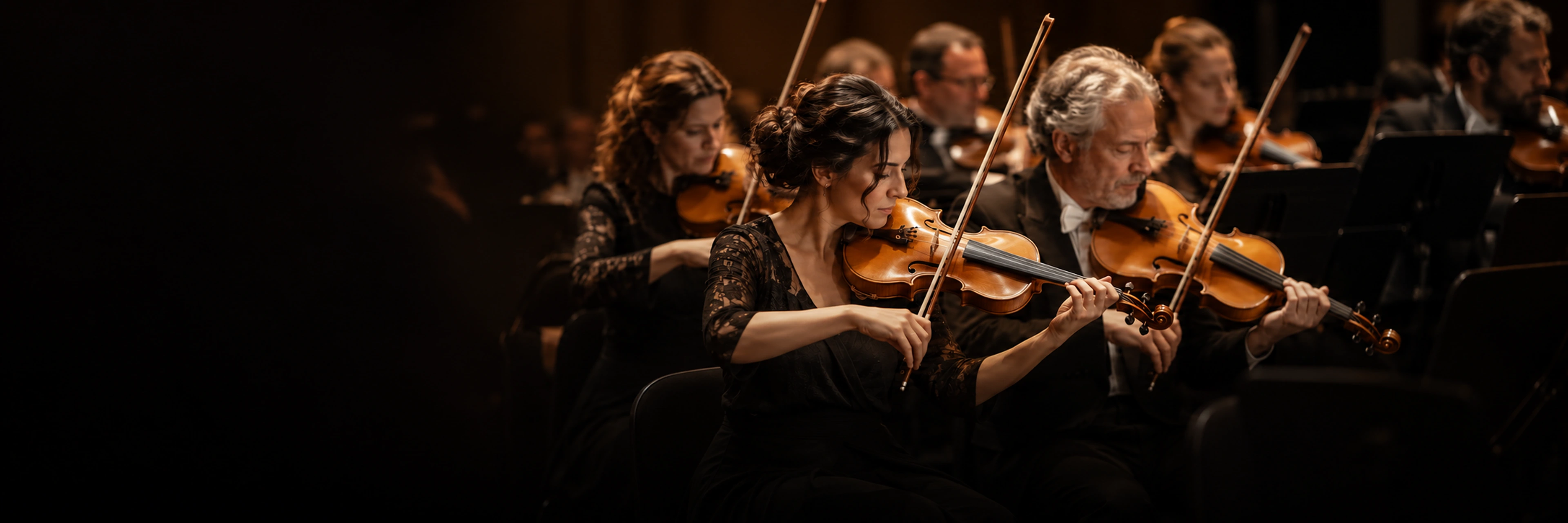

Tremolo (Italian for “trembling”) is one of the most expressive devices in a musician's arsenal. On strings it is played with rapid bow strokes; on mandolin, with alternating plectrum strikes; on piano, with a quick alternation of notes.
In operatic overtures, tremolo often accompanies moments of foreboding or fate. In the Pilgrims' Chorus from Wagner's Tannhäuser, the tremolo of the strings creates a shimmering, almost mystical texture — as if the music holds its breath together with the listener.
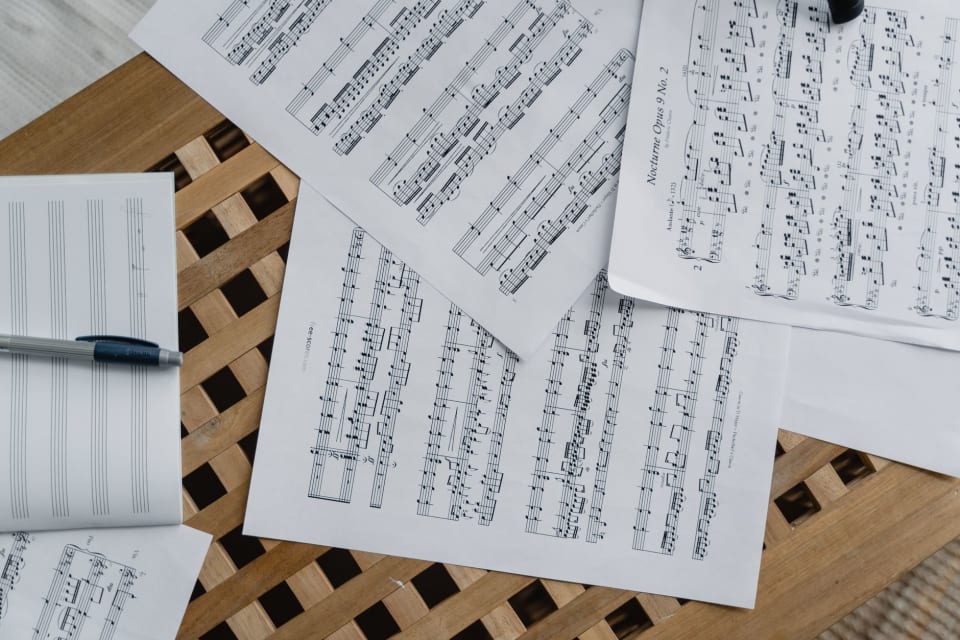
Two kinds of tremolo are distinguished: on a single pitch (the rapid repetition of the same note) and on two (a swift alternation of two pitches, akin to a trill but usually wider in interval). In notation it is marked with slashes across the stem. Beyond operatic “storm scenes,” string tremolo is widely used in film music to build suspense, and on the mandolin it is in fact the main way of producing a sustained tone.